Author: Taliskersh

  • The Long Commute

    The Long Commute

    I was lucky enough to have this piece published in Metropolis Magazine. You can read that version here.

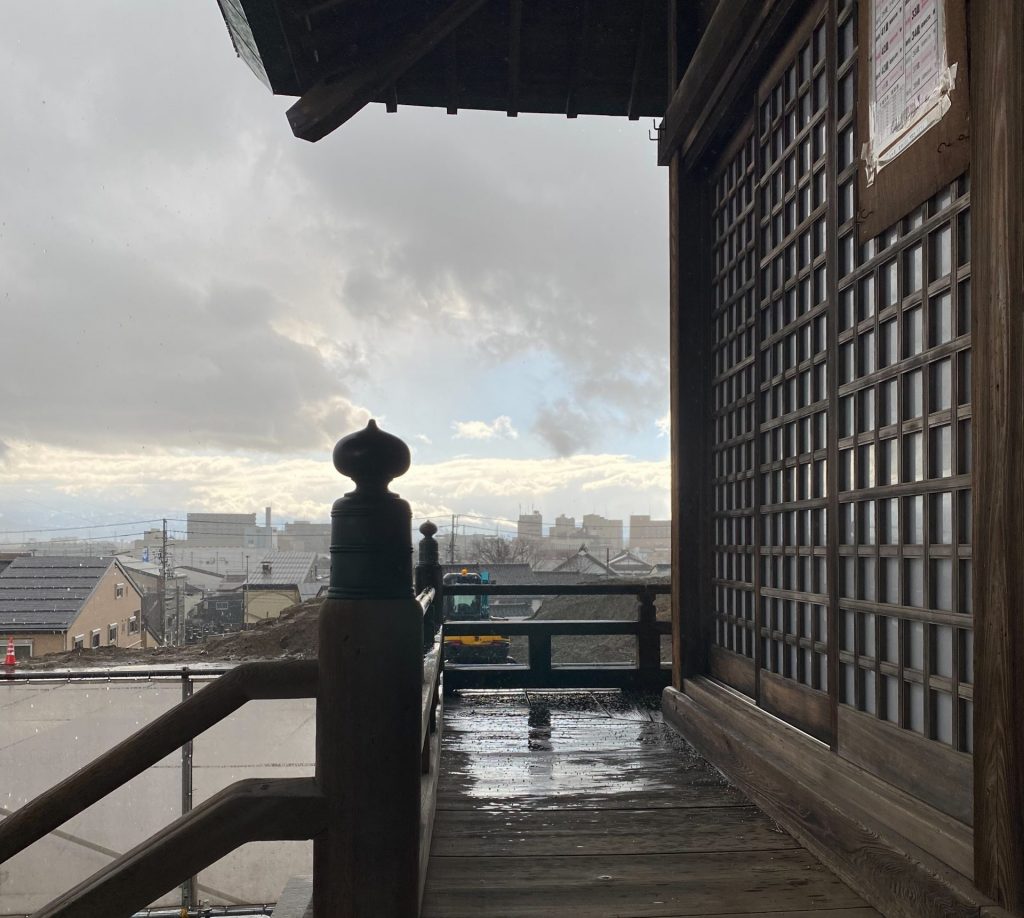
    The Noto Peninsula was once considered the edge of the world. Throughout Japan’s history, the nation’s rulers banished unruly lords to the rugged, windswept cape. Today, Noto retains that feeling of undisturbed isolation — cut off from the hubbub of Japan’s more popular locales. 

    The name “Noto” is derived from the Ainu (Japan’s indigenous people) word for “big cape.” The landmass juts out into the Sea of Japan – the moodiest of Japan’s seas.

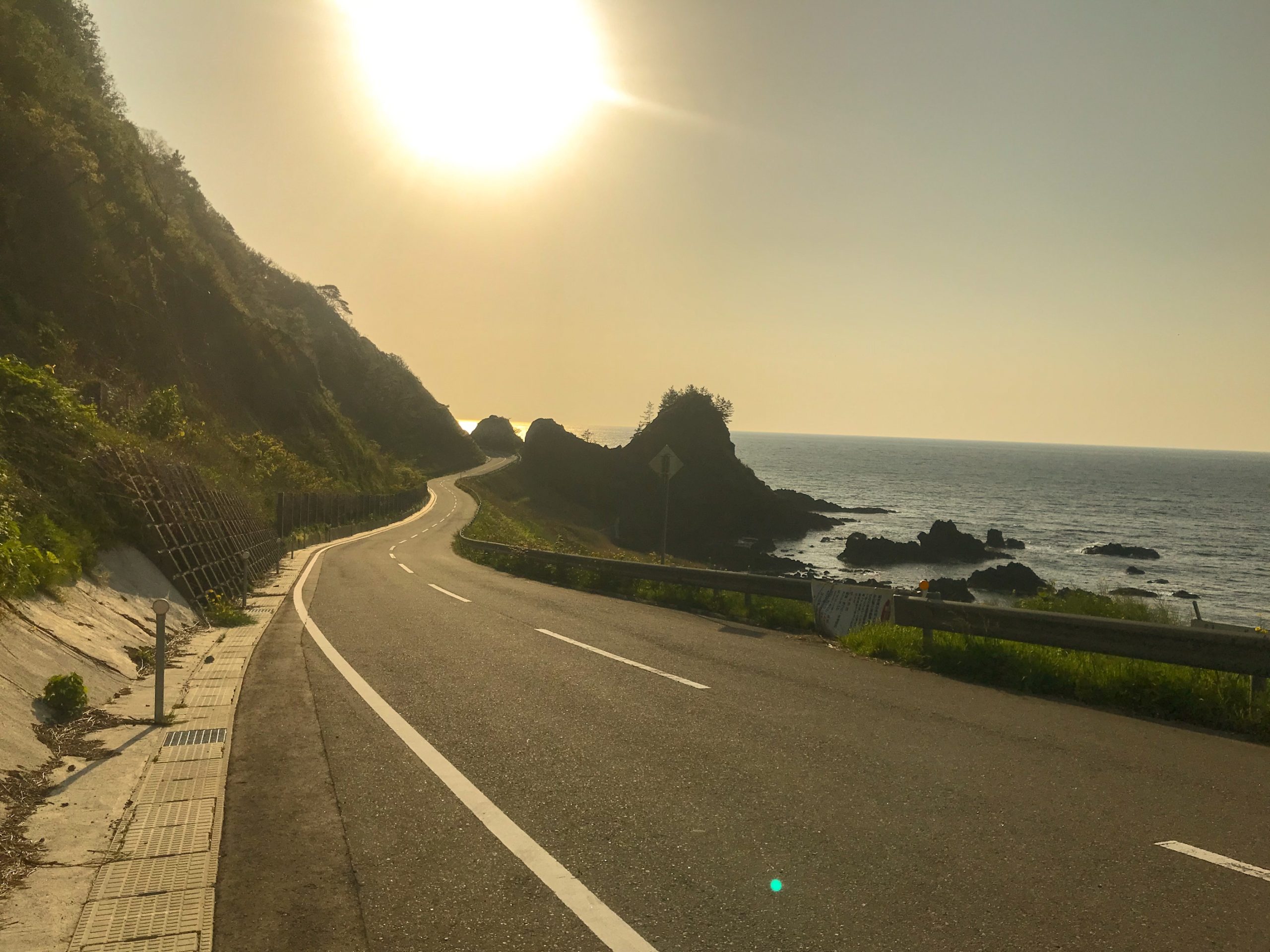
    Wanting an adventure, I explored Noto on my commuter bike. I paid for my passage with sunburn and soreness. In return, I saw a side of Japan that had previously been little more than a blur outside the shinkansen window. 

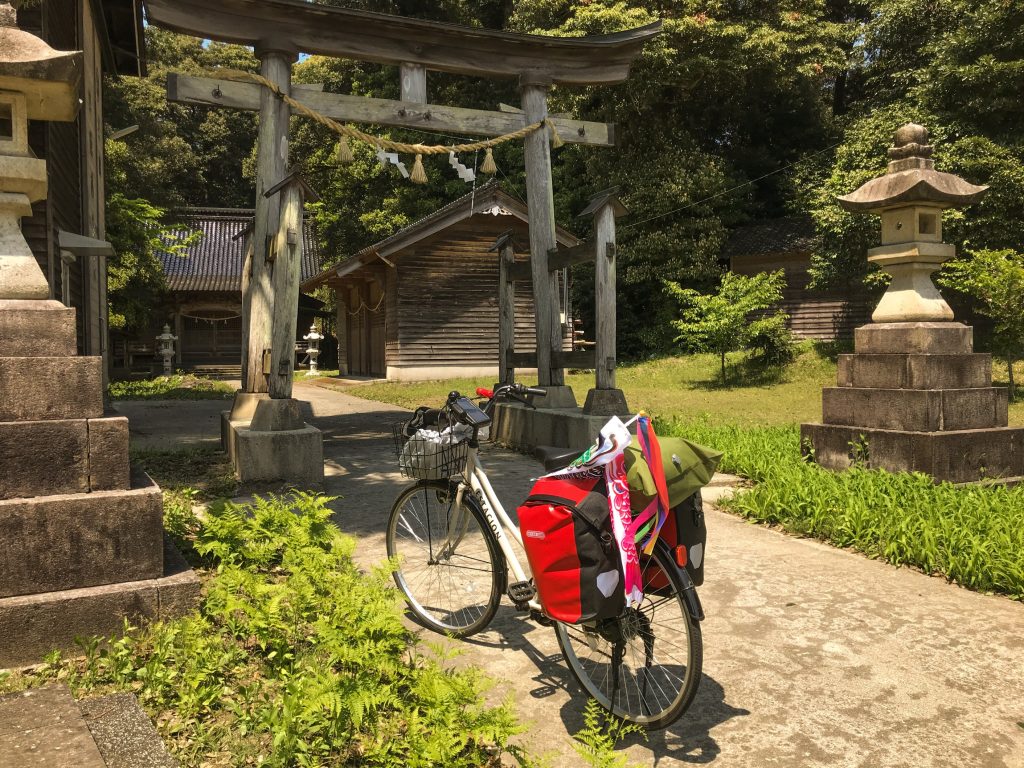
    My route followed a “つ” shape around Noto’s south, east and north coasts. I rode a mamachari, or “mother’s chariot,” so named for the bike’s capacity to haul anything from groceries to infants. Mamachari are slow, hulking bikes, seldom used for long trips. So, while I barrelled down Noto’s hills like a bowling ball, I mostly traveled at a jogging pace.

    On day two I trundled towards Gunkan Jima, or “Battleship Rock.” The island features on practically every one of Noto’s brochures—and for good reason. A sight to behold at sunrise, it rises from the sea like a great imposing mushroom. 

    Gunkan Jima is also known as Mitsukejima (見附島 – roughly “approaching the castle gate”), a name bestowed by the monk Kūkai on one of his famous travels around Japan. I awoke at 4am to find the beach crowded with photographers hoping, like me, to capture the sunrise.

    Next to Gunkan Jima is Matchmakers Beach. Here, couples can ring the deafening “Bell of Everlasting Love.” After I’d soaked in a nearby onsen (and received an enthusiastic tour of the building by its owner), I camped in Gunkan Jima’s shadow. The bell rang all night. 

    In 2021, Japan’s central government granted Noto ¥800 million ($7.31 million) in an effort to help the region recover from the pandemic. During my trip, I saw evidence of this subsidy everywhere; from the shiny new Bell of Everlasting Love to the new signage directing my route.

    Mostly due to geography, the region missed out on much of the prosperity, glitz and amenities enjoyed throughout Japan’s cities. Bereft of Tokyo’s Skytree or Kyoto’s palaces, Noto’s communities had to get creative in order to attract visitors. Infamously, Noto spent a large amount of its subsidy on “Squid King” — a 13-meter-long fiberglass squid parked by the roadside in Tsukumo. 

    Tsukumo was once a hub of squid production but had since been mostly abandoned—a familiar tale in rural Japan. To Squid King’s many critics, His Majesty was a frivolous waste of a much-needed handout. Outlets from the New York Times to the BBC reported on the controversy. 

    When I rolled through, the town was overtaken by what can best be described as squid-mania. Grandparents nibbled dried squid, couples flaunted matching squid t-shirts, and kids screamed for squid balloons. A recent report found that Squid King had since brought in 22 times his original cost in the last year alone. Clearly, the publicity served Tsukumo well. 

    In taking my time in Noto, I stumbled upon many stories like these that told of a region striving for rejuvenation. For decades now the peninsula, like much of rural Japan, has experienced a demographic decline. The evidence is everywhere, from desolate homes to empty villages. Nonetheless, local governments have found creative ways to overhaul Noto’s cultural scene, meaning this aging region is anything but stale. 

    On my third night I camped outside The Suzu Theater Museum, a converted clifftop gymnasium that was once part of an abandoned high school. This museum turns Noto’s gloomy statistics into something hopeful, if not beautiful, by reworking evidence of its shrinking population into works of art. Carefully arranged by local artists, the exhibits display everyday items found within Noto’s many vacant homes. 

    My third night camping outside the The Suzu Theater Museum. Seated on a row of disused schooldesks facing out to sea, I cooked a meal of tuna and rice.

    Arrayed across the walls was family porcelain with no one left to inherit it. Home movies and clips of the sea played on vintage televisions — their owners having long departed. My visit was melancholy. Yet, it was also inspiring, for it showed a community’s determination to preserve and share the memories of those who had once called Noto home. It’s representative of the peninsula’s knack for adapting its past and present into something worth seeing. 

    A culinary example of this quality can be found in the salt farms on Noto’s north coast, which I rode through on my fourth day. These farms use a method of salt production called agehama, a centuries-old technique that requires over ten years’ training to master. The Samurai lords of present-day Kanazawa coveted this salt for its unique taste. Today, the nearby Sio cafe uses it to make pancakes. Light, fluffy and inexplicably crunchy; they were delicious. 

    On my fourth and final night, I camped in Wajima, a town on Noto’s north cape famous for its millennia-old crafts industry and weekend market. The town was packed with tour buses, each having traveled up Noto’s central highway from the mainland. The next day, these same buses whisked tourists to Wajima’s scenic rice terraces, stopped at Squid King, then sped back to Kanazawa.
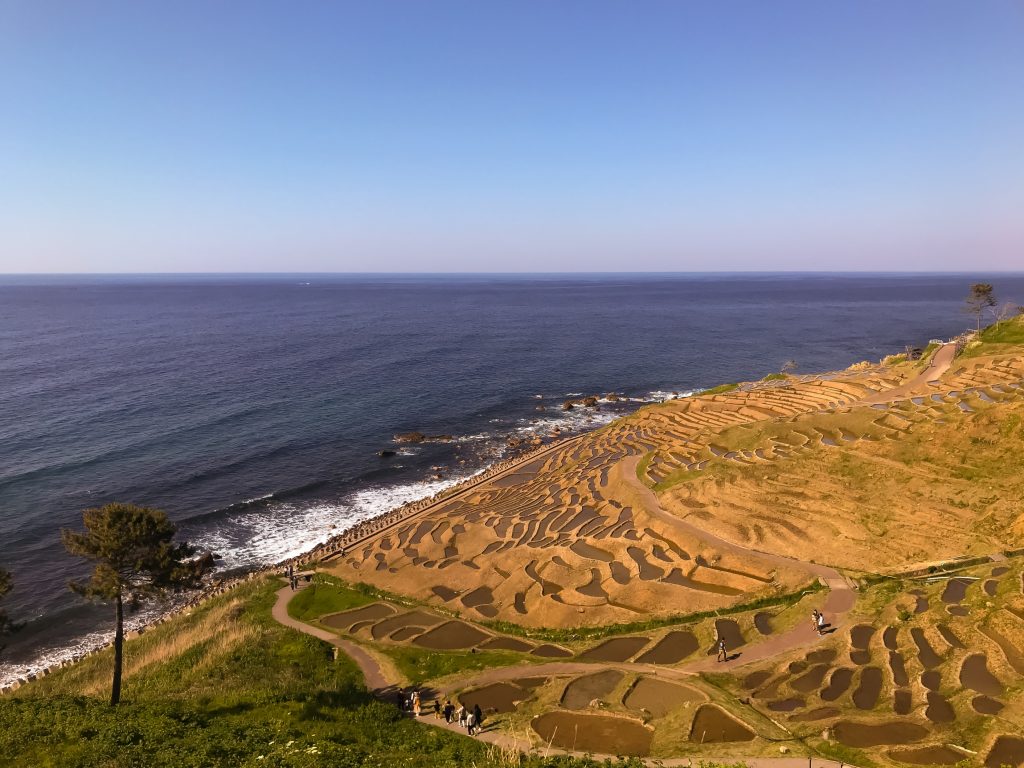
    To tour Noto this way is to miss the tales and quirks that make the peninsula truly worth visiting. Though the windswept coast may be quiet, there are treasures and stories to be found in the backwoods. If you travel too quickly, you’ll fly right past them. 

    Should you bike, as I did, Noto will certainly extract a fee. You’ll be sore, sunburned and (if unlucky) rained on. Yet, the peninsula will also reward you with an experience no city tour can provide.
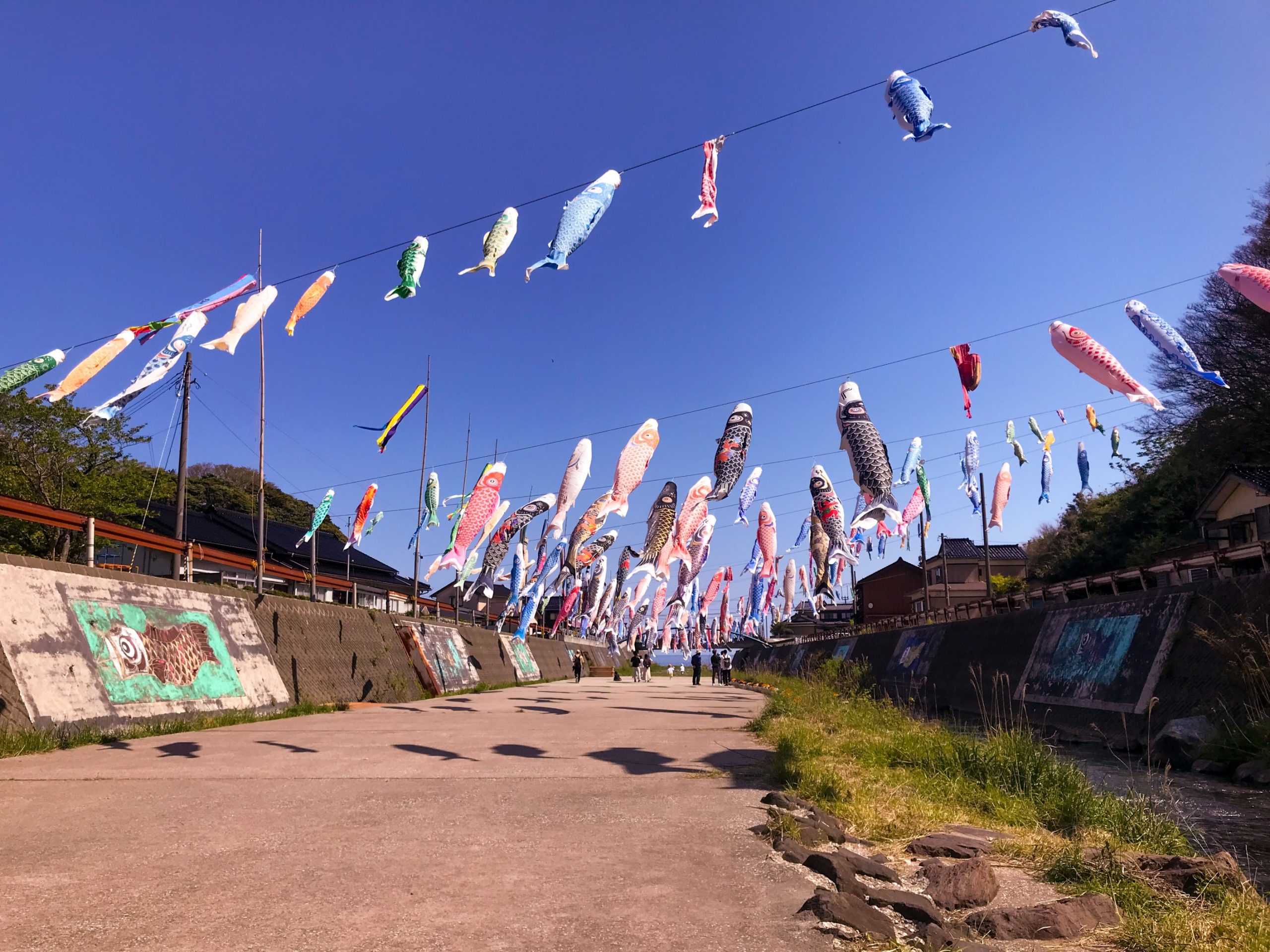
    300 Koinobori (鯉のぼり), or “carp streamers” flutter in the wind in the village of Otani. Koinobori are flown all over Japan from April through to May in honour of the national holiday “Children’s Day.”

    I watched the last sunset of my trip in Wajima. Tired and filled with grilled fish, I soothed my sunburn in the sea beneath a lighthouse. Squid boats drifted lazily across the horizon, their lights indistinguishable from the stars.

    I felt a pang of jealousy towards those banished lords who got to live out their days in manor houses amidst this desolate, beautiful land. Sure, threats of decapitation kept them here, but why would they ever want to leave? Between an eternity in Noto and an eternity in Tokyo, give me Noto.  
  • The Japan Times – As borders slowly reopen, a familiar question returns: Why did you come to Japan?

    Since moving to Jōetsu in November 2021, I’ve been asked one question more than any other: why did you come to Japan?

    Check out this article to see what brought six Jōetsu residents to The Land of the Rising Sun. It’s my first ever piece in a publication that isn’t edited by one of my mates. I’m stoked.

  • Yankee dogs go home

    The evening is calm and the sea stretches into the horizon like a great blotchy carpet. Far offshore, red specks of light occasionally flash amid dark, menacing shades of blue. 

    What are those lights? 

    Ah, those buoys? They’re the shark lights. That’s where the sharks live. 

    I shiver, chilled by the thought of bobbing atop the deep blue far offshore. To my seven-year-old self, being a mere three metres out to sea was enough to cause concern. With enough imagination, all water is shark infested.

    The ocean darkens as the sky fades from pastel pink to the cyan of late evening. A sandy path, still hot from the sun, winds between low undergrowth to the beach. I’m certain rattlesnakes lurk under the glossy leaves. A breeze rustles from left to right. Mum and her cousins make cold noises and the leaves shiver in agreement. 

    Have you ever seen a shark, Grandpa? 

    Staring out to sea, mind elsewhere, the old man says he has. He then begins to tell a wholly unrelated story.


    In Lahore, there was an established and well-known Pakistani journalist named Mansur Ali who was an avowed Soviet communist. He was an excellent writer and had considerable influence on a generation of young journalists.

    Early in my tenure, I decided I should call on him, as I had already done among other prominent journalists in the city. I found him to be friendly and charming, and we liked each other. But, of course, there was no possibility of my influencing him. Still, I had dinner several times with him and his equally charming wife. 

    I can’t remember what had happened internationally that brought Mrs Mansur out one day, leading her 80 or so Progressive Women of Pakistan for a noisy march past my building. They bore signs with slogans like YANKEE DOGS GO HOME and shouted similar endearments. 

    As they drew abreast to my office’s gatehouse, I saw Mrs Mansur dart over and hand an envelope to one of our guards. When the parade had passed, the guard brought me the envelope. My heart sank. It was addressed to me, and I expected a screed similar to the slogans she and her friends had carried.

    But instead, the note inside said, “Dear Ray: Mansur and I hope you can join us for dinner tonight.”

    I kept that lovely note for a long time but eventually, in one transfer or another, it was lost.

  • Yusuf and the Red Book

    Yusuf and the Red Book

    Holidays, 2005. My cousins had gone to bed but I nonetheless managed to weasel my way outside. The grown-ups play Canasta. The air is thick with cigarette smoke. Languid bugs flutter around the dirty porch light.

    Sighs. The old man won. Taking advantage of the lull, he begins to tell a story. Despite having heard this same story last summer, the adults lean in. Half listening, I fixate on a moth.

    The story goes something like this.


    One day I was sitting in my office in downtown Lahore, capital of the Punjab Province of Pakistan, when my secretary entered with the business card of someone asking to see me. The card read Capt. Yusuf Jamal, Director, Arab Cultural Center, Lahore.

    Well, I knew there was no such office in Lahore, and I was curious. I asked my secretary to show him in. He was carrying several heavy manila files.

    He spoke only a few words of English, just enough to say,

    “I am a terrorist. I want to sell information to you.” 

    I was pretty sure he was either a con man or a madman, but I did want to see what was in those files. 

    First, we had to find a way to communicate. I used to speak fair Arabic, but it was gone from long disuse. Still, I could understand most of what I heard when spoken slowly. While he had been born in Lahore, he was taken as an infant to Beirut where his parents found work. In Beirut, the first years of school are French medium, and so he had been fluent in French as a child. He could no longer speak it, but he could understand what was said to him.

    We communicated in the two languages. He told me he worked for the Abu Abbas terrorist organization. That was the group who hijacked the Italian cruise ship, Achille Lauro. One of the passengers was a paralyzed Jewish American named Leon Klinghoffer whom the hijackers pushed over the side, in his wheelchair, just for the pleasure of watching him struggle and drown. They were an unusually unpleasant group. 

    Yusuf opened his files and showed me photographs. He said, “Here are the graduates of the most recent terrorist training camp. They are going to safe houses in four European cities to conduct missions this summer.” 

    The documents convinced me that he was telling the truth. I asked Yusuf to return to my office the following day. 

    The CIA office in Lahore had just one officer and his secretary/ communicator. The officer was on leave but the secretary sent a cable to Langley with all the details I had. Within minutes they asked me to assure Yusuf they were interested and would send a team of Arabic specialists to negotiate with him. In the meantime, they asked that I continue our conversation. 

    This was pre-internet and email and cell phones; everybody carried a little address book. Yusuf’s was red. At the end of our last meeting, he took out his little address book and showed me the page with Abu Abbas’s name, with an address and phone in Baghdad. I said, “So you know Abu Abbas well.” He replied, “He is like a father to me.” I asked, “If you feel that way, why are you ready to sell him out?” After a moment’s thought, he said, “Because he is sleeping with my wife!” 

    I never saw Yusuf again, but the following summer the international press was full of the story of more than a dozen terrorists arrested in safe houses in Frankfurt, Paris, Milan and Madrid, where arms and explosives had been found. There was speculation that hundreds of American and European lives had been saved. For the first and last time, I thought adultery was a wonderful thing. 


    My maternal Grandfather, Raymond Talmage Peppers, worked for the now-defunct United States Information Agency. During the Cold War, this agency ran the world’s largest public relations operation, equal in budget, manpower and output to 20 of the world’s largest commercial PR firms – combined. 

    The USIA built libraries in Johannesburg, produced telenovelas in Panama, screened Hollywood films in Panang and read Walt Whitman to audiences in Dhaka. For 46 years, on every hour of every day, they exalted the United States and trashed the Soviet Union in 70 languages across 150 countries, all to the tune of $2 billion a year.

    Between 1967 and 1997, Raymond served the USIA in Dhaka, Islamabad, Kabul, Lome, Kuwait City, Lahore and Washington, D.C.

    But, unlike my paternal grandfather, he didn’t fight in World War 2. To my young (ignorant) self, this fact alone was enough to designate Ray the less interesting grandad. 

    Like most kids with relatives overseas, my time with Ray was relegated to family holidays and Christmas-day calls beginning with “turn that off and talk to grandpa.” He died in 2017. 

    Raymond was renowned for telling excellent stories. He took great pleasure in captivating us with tales of Cold War intrigue, comic mistranslations, and descriptions of far off lands aglow with his unceasing love of culture and beauty. Fortunately, he wrote a handful of them down, eight of which I’ll publish here. Each story captures the remarkable world he passed through.  

  • What I’ve learned about Shinto

    What I’ve learned about Shinto

    On the 6852 islands of Japan, there are Kami. 

    Kami are primordial nature spirits. They manifest as the sea, the wind and the rain. They’re creeks, floods, and typhoons that dash Mongol ships against the Kyushu shoreline. They can even take the form of abstract nouns. Mountains make for especially important Kami (see Mount Fuji), but no Kami is more important than the sun.

    Kami can reside within people, too. The emperor of Japan and his descendants are Kami. Sometimes, Kami manifest in culturally significant buildings. My town’s martial arts gymnasium contains a white-panelled section of wall that is a Kami. Practitioners must kneel in reverence to the entity before every session. 

    For the most part, Kami are elements of nature that inspire awe. If a waterfall, tree, or even a particularly aesthetic rock ever gave you pause, then you’ve felt a Kami’s power. 

    Awareness of these beings comes from the primaeval sense that the natural world is both beautiful and terrifying. Accordingly, Kami have two souls: one benign, the other destructive. By appeasing a Kami, one hopes to encourage it’s first soul and avoid the wrath of the latter. 

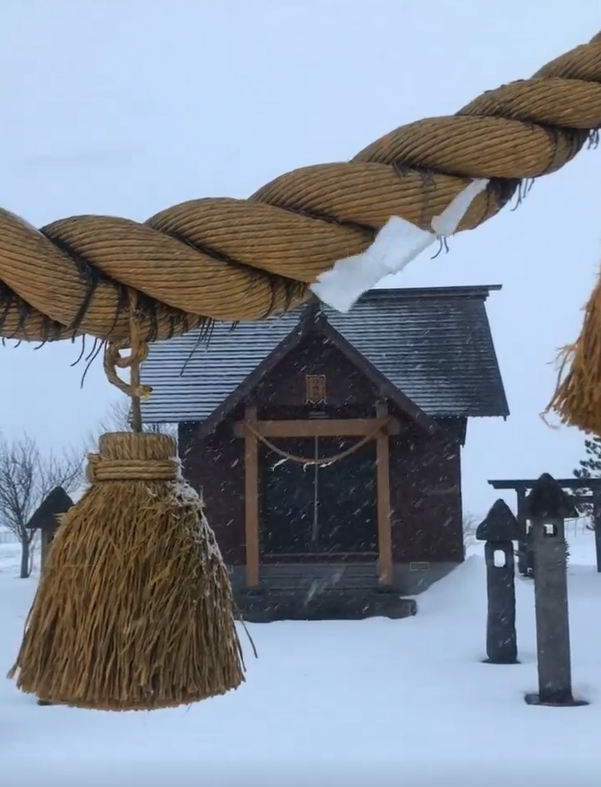
    Most Kami dwell inside the 100,000 shrines scattered throughout Japan. Hidden from view, Kami receive visitors who pay their respects and make offerings to the spirit, usually in the form of 5 yen coins.

    Acknowledgement of Kami and the veneration of these beings are what constitutes Shinto, something akin to a religious practice.

    The above sentence is just about all scholars can agree on when it comes to defining Shinto. The tradition has many qualities, or lack thereof, that make it hard to classify as a religion. It doesn’t espouse a moral code, nor does it have a founder. Shinto lacks base texts like the Bible or the Koran; there isn’t even a specific doctrine that outlines practices. Preaching and conversion are rare, and the faith isn’t much concerned with the afterlife. 

    Ritual rather than belief lies at the heart of Shinto. In this regard, it’s less a religion and more an inseparable part of Japanese culture.

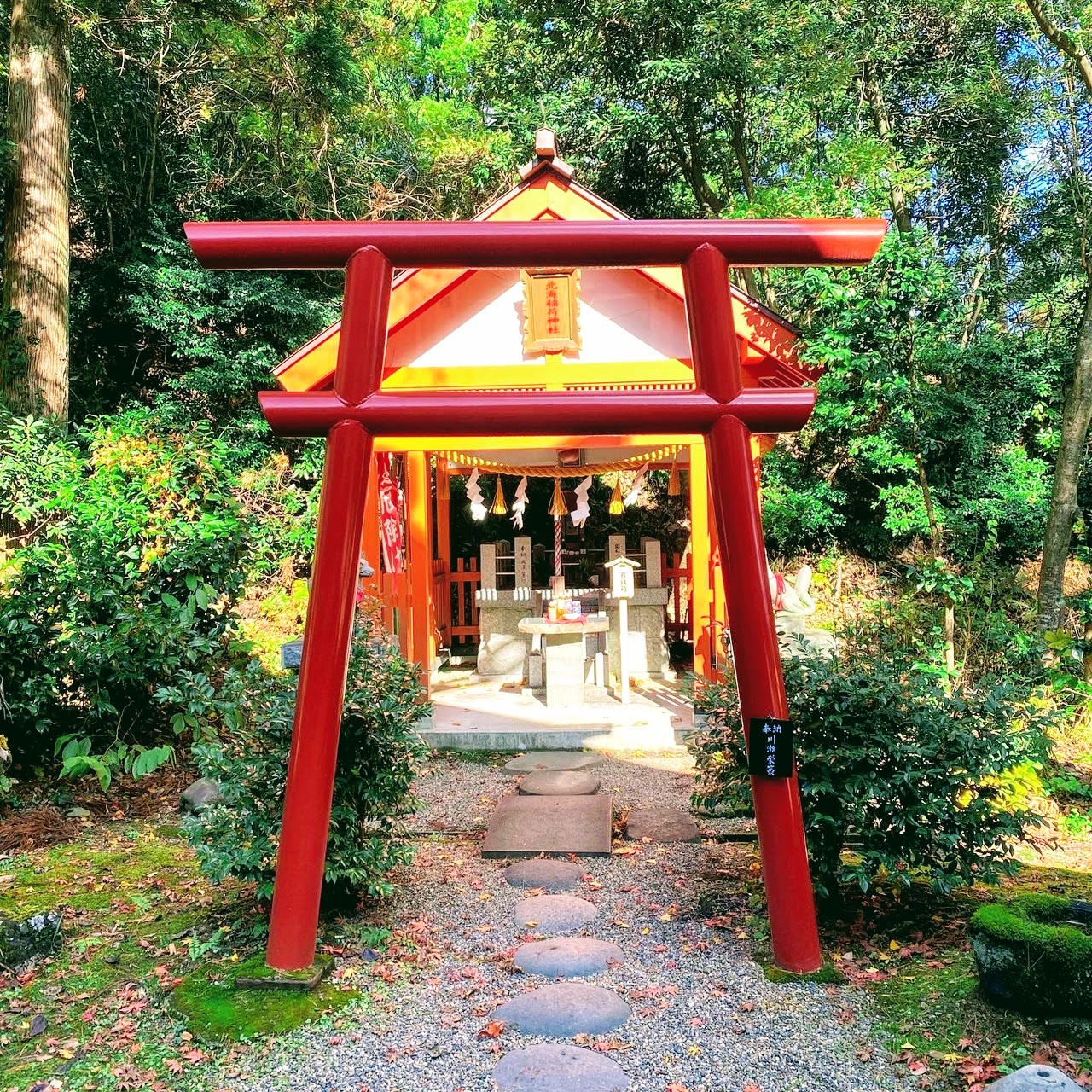
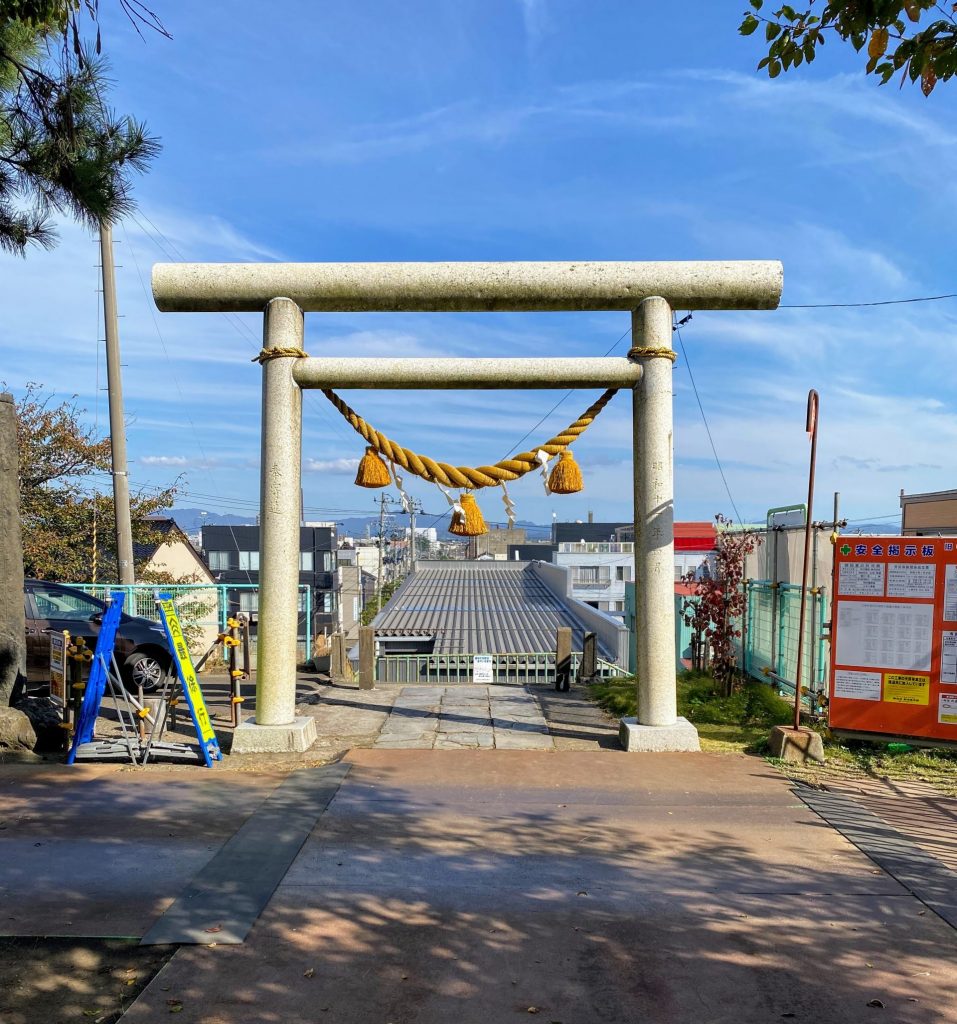
    Torii gates mark the paths to most shrines. It’s important guests bow under each one while taking care not to walk directly down the middle of the path. That route is reserved for spirits. Photo by Jen Roche.

    Many of these rituals take place at Shrines. A Shinto shrine requires a series of steps to ensure one’s visit is done properly. Visitors must first wash their hands and mouths with water from a trough at the entrance. When making an offering, bow twice, clap twice, ring the bell, and bow once more – in that order.

    Japanese who observe rituals like these are unlikely to see them as religious practices, much like how everybody who says “bless you” isn’t a god-fearing Catholic. Rather, to many, going through the motions of visiting a local shrine is simply an aspect of daily life.

    An estimated 96 million Japanese regularly engage in Shinto rituals. Yet, two decades ago, when Pew surveyors asked Japanese whether religion was important, 75% answered no. That Japan should be home to the most devout, irreligious people on earth is just another incongruity in a land of mystifying incongruities.

    Most neighbourhoods contain at least one shrine. Residents often visit their local shrines to ask for favours like good outcomes in surgery and schoolwork. Photo by Jen Roche.

    As mentioned, Shinto is notably light on philosophy. Yet, what it does emphasise is a belief in universal impermanence. There’s a reason why Japan’s national symbol is the cherry blossom – a flower that blooms and disappears within the space of a week.   

    One seeking further examples of this philosophy can look no further than Ise Jingu – the holiest site in Shinto. Ise Jingu is so sacred that punters like me can only gaze upon the fence surrounding the main building. No one knows for certain how old the site is. It was already an ancient place of worship when the first histories of Japan were written, some 2,000 years ago. 

    Yet, despite this level of prehistoric sanctity, the main buildings are dismantled and rebuilt with new materials every 20 years. The western equivalent would be tearing down the Sistine Chapel, scorching the rubble, and building it anew every two decades. Unthinkable. 

    Shinto’s philosophy of impermanence could well be the product of a nation routinely humbled by nature’s power. This is, after all, the most seismically active country on earth. A mediaeval European might well baulk at how frequently Japan’s wooden castles catch fire, but I’d like to see Mont Saint Michel stand up to the 5,000 earthquakes that rattle these islands each year. 

    That life is short and everything dies are truisms that permeate Shinto and therefore Japanese culture as a whole. This is Mono no aware, meaning “sensitivity to transience” – the idea that true beauty is fleeting and that good people accept how everything they love will one day disappear. Heartwarming stuff. 

    Yet, Shinto is far from a pessimistic tradition. For one, that a Kami could wash one’s life away in a tsunami on any given day tells us to savour the good stuff. In our brief pre-tsunami window, we should accept change and seek to live well in the face of new challenges. Moreover, Shinto says it might also be a good idea to acknowledge and respect the immortal supremacy of nature. In doing so we might, just maybe, avert disaster. 

  • Tuna Mayo

    Tuna Mayo

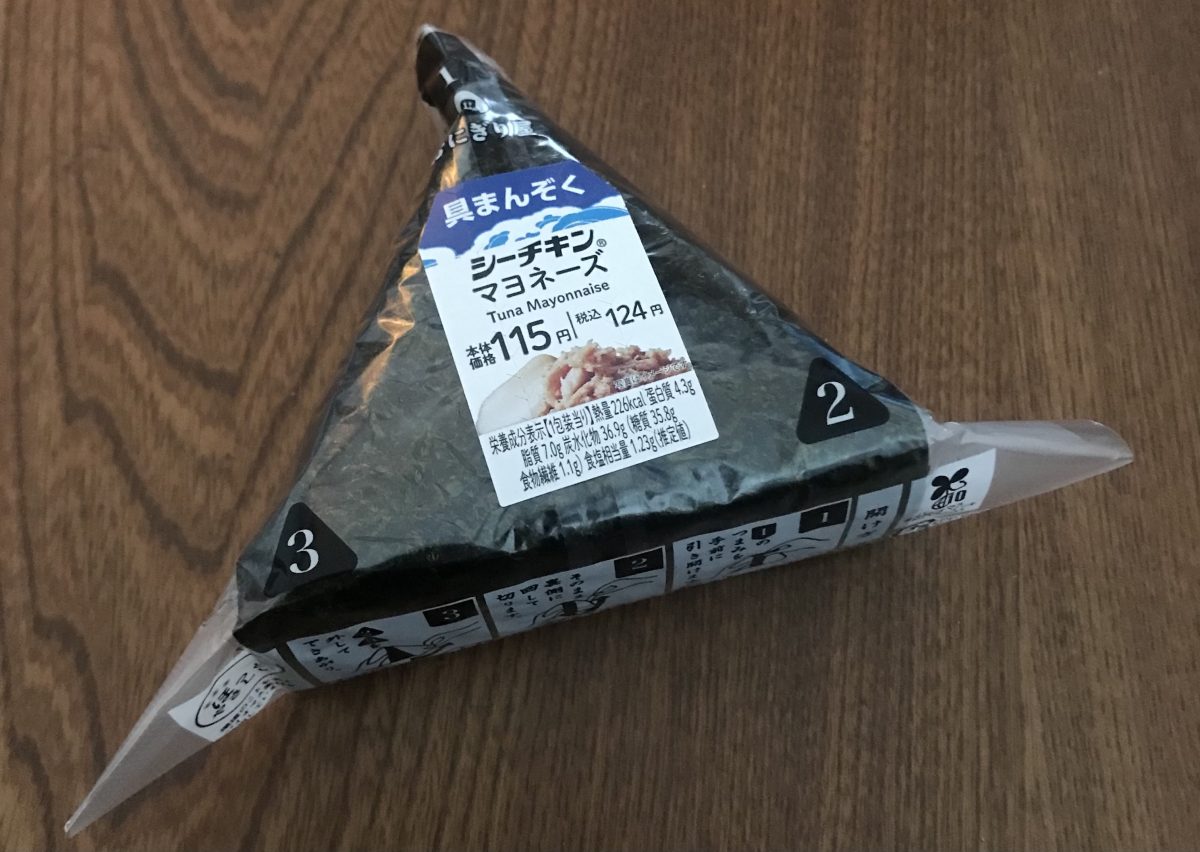
    With iffy flavours like pickled plum, mustard seeds, and fish eggs – tuna mayonnaise is a calming medium by being, in true onigiri fashion, deliciously bland. 

    Tuna mayo embodies all the best qualities of onigiri: understated, predictable, and moreish. When I ask people their favourite rice ball flavour, the answer is often tuna mayo. 

    Mayo is a key ingredient. Japanese mayo is a tier above its western counterpart. This is because, while western mayonnaise incorporates whole eggs, the Japanese variety only uses yolks of a particular yellow. 

    Combined with rice vinegar, the result is a creamy sauce akin to custard; fatty, sweet, rich, and acidic. The chief brand even has an adorable name, kewpie. The logo is a naked red angel baby doing the YMCA, and the nozzle is cut like a star so that the sauce squirts out in a funny shape. Cute, bizarre, novel, and delicious. Japanese mayonnaise.

    Yet, like a surprising number of popular Japanese foods, Japanese mayonnaise isn’t very Japanese in origin. 

    It began just over 100 years ago when a political upheaval opened the proverbial floodgates between Japan and the west. This period is called the Meiji Restoration and marks the nation’s transition from Samurai warriors and ritual suicide to Hello Kitty and the highest life expectancy on earth. Large sections of Japanese society embraced western clothing, ideas, technology and food. It was during this time that mayonnaise, the whitest food of all, entered Japan. 

    So began a legacy of abuse. Noodles, pancakes, fried chicken, octopus balls, melon – few foods escape mayo. There’s even a Japanese word for a mayonnaise-obsessed individual, Mayora. This comes from merging the word mayo with the suffix “er” (as in “fighter” and “driver”) essentially creating the label “mayonaiser”. 

    Overall, the mayonnaise that completes a Tuna Mayo onigiri is special not just because it’s delicious, nor because it is everywhere, but because it represents one of Japan’s most remarkable qualities. 

    Few countries do cultural fusion like Japan. This land has a long history of adopting foreign concepts so zealously that one could be forgiven for thinking these things weren’t Japanese to begin with. Food is a key example, although others range from video games to toys to world religions. Mayonaise, ramen, tempura, even the very custom of eating meat – these pillars of Japanese cuisine are imports that arrived during the Meiji Restoration. 

    Tuna mayo embodies all the best qualities of onigiri; it also embodies some of the best qualities of Japan. In a long-winded sort of way, you can see this when you peel back the nori. Hell, you can taste it too. It’s very good.  

  • Rice balls

    Rice balls

    Onigiri are a Japanese food made from white rice (sometimes salted, most often plain) formed into cylindrical or triangular shapes and wrapped in nori (seaweed). Within this package is a filling: ume (pickled plum), salmon, cod, tuna mayo, bonito flakes…the list goes on.

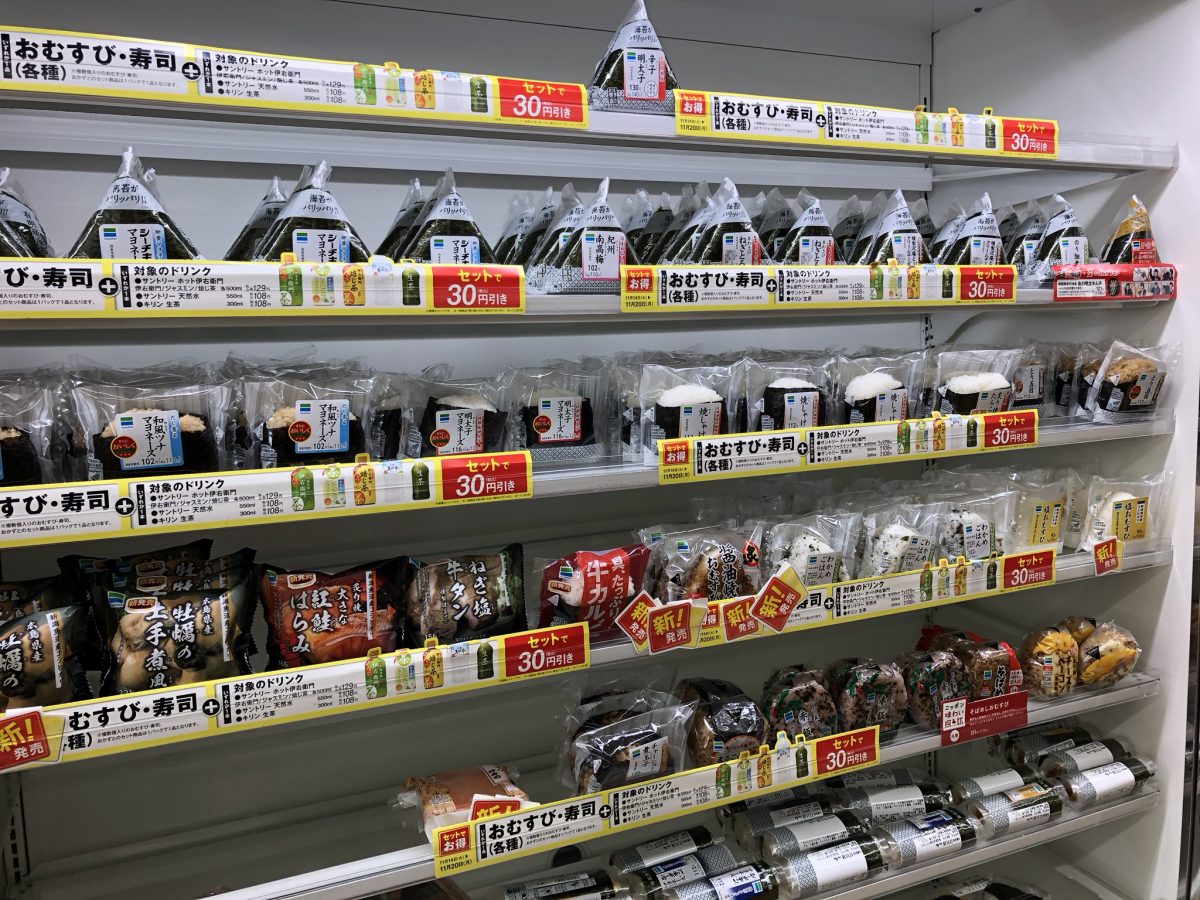
    You can see onigiri arranged in a refrigerated cabinet adjacent to the checkout counter at convenience stores, gas stations and supermarkets. This pride of place reflects their popularity. They’re Japan’s equal to the ham sandwich, a trustworthy and versatile staple that is cheap, predictable, and easy to consume. 

    Onigiri are, to put it simply, delicious. 

    My first real taste of Japan was an onigiri bought in the lobby of the Hotel Nikko. It was day one of a fourteen-day quarantine and I had to arrange my dinner. I bought the cod roe flavour, certain that I liked cod but unsure about the concept of “roe”. 

    Nori grows soggy and unpalatable when applied to rice for an extended period. So, onigiri are ingeniously wrapped in a way that separates the two by weaving the plastic packaging between rice and seaweed. When one pulls at both ends, the barrier slips away and nori embraces rice. 

    Back at the Nikko Plaza, my inexperienced self made a mess of this first onigiri. The brittle nori broke into pieces as my barbarian hands tore at the packaging. Nori flakes at my feet, I bit into the rice ball and tasted Japan for the first time. 

    Onigiri are one of the many irreplaceable components of the Japanese engine. Manufactured for greatest convenience, It’s a faux pax to eat food while walking here, but onigiri are one of the few exceptions. The densely packed rice is filling – I’m reminded of lembas bread, the Tolkein invention that fills the stomach of a grown man after one bite. 

    They’re simple, even bland, but it’s this very banality that makes them special. Like so much Japanese food, onigiri proves that a dish doesn’t need to sock you in the mouth with spice or flavour to be delicious. I feel like this is one of the many incongruities I’ll never understand about Japan. 

    At the time of writing, I’ve been here for two bags of rice, two tubes of toothpaste, four razors, one canister of shaving foam and twenty-two onigiri. I could spend a lifetime studying this country and still die ignorant of most of it. I could live here for decades and still be a visitor. These thoughts are equal parts enticing and isolating. 

    Living here is sometimes like being in an aquarium and I can never really tell which side of the glass I’m on. I can press my nose against the pane and observe all I want, but try as I might, I’ll never be able to cross over. I am both the ogler and ogled, separated from a world (that stares back with the same confused intensity) by some invisible barrier that I can’t name. 

    Perhaps that barrier is language. My Japanese is not, as the locals would say, jouzu. Although, I feel as though it’s more than that. For now, I take comfort in the fact that coming here has led me to onigiri. In the face of disorientation and an occasional twinge of homesickness, the presence of good snacks must mean I’m on the right track.

  • Yo Vocal Magazine – Book Review: The Jungle

    Written by Upton Sinclair – Published in 1906 – 413 Pages

    In the midst of a global pandemic and with winter closing in, I chose to cheer myself up with ‘The Jungle’ by Upton Sinclair. Sinclair took me to Packingtown, Chicago’s meatpacking district at the turn of the last century.

    Packingtown is, as it so happens, hell.

    The Jungle was described by young-adult novelist John Green as the first book to make him vomit. While Sinclair’s tale didn’t on any occasion make me fetch up my dinner, Green’s review is fitting. The steady stream of injustices endured by its characters compete with descriptions of industrial slaughterhouses in a contest so vile it turned even my hardy stomach off bacon (at least for a while).

    Within the opening chapters, ungodly numbers of cattle, swine, and sheep are herded into warehouses where workers stun, slaughter, then strip creature after creature of – as the Packingtown adage goes – “everything but the squeal.”

    This is the home of Jurgis Rudkus. Jurgis (pronounced ‘yoorgis’) is a heavy-browed hulking Lithuanian. His pursuit of the American dream has taken him to the Chicago stockyards, family in tow. Jurgis is noble and unshakeable, if not a little naïve. “Do not worry, I will work harder” repeats Jurgis, believing brawny arms are enough to protect his loved ones.

    In reading, you’re introduced to industrialised death. The killing floor is brought to life as Jurgis wades from carcass to carcass in his initial role as a ‘sweeper’. Thanks to Sinclair’s prose, you practically smell it. Soon, you realise livestock aren’t the only living creatures being butchered in Packingtown.

    In this vast machine, human beings are expendable parts to be worked until spent. Men, women, and children work for pittance wages in appalling conditions from before dawn to well into the evening. In winter, the sub-arctic cold creeps into their shacks like death personified, snatching away the young and weak. Summer is hardly better. Workers broil in slaughterhouses that draw plagues of rats and flies.

    Year-round, Jurgis’s family are beset with disease and conmen. They’re tempted by drink and haunted by unemployment. Jurgis’s optimism withers, so too does his body. A violinist’s fingers are eaten away one by one by de-boning acid. A boy falls asleep and is locked inside a factory overnight, whereupon he is eaten alive by rats. Did I mention this book was cheerful?

    You’re probably asking yourself “why on earth should I read this god-awful story?” I wouldn’t blame you. Surely, given the state of the world as is, you’d want something a little more … optimistic?

    Yet, here’s my case for why you should read The Jungle. The Jungle will remind you of some of life’s fundamental truths. For instance, Jurgis and family lay plans. They plan to pay their mortgage; they plan to save for winter; they plan to marry. Through accident, injury, or other unfair misfortune, these plans fall apart. There is no trace of an absolute certainty anywhere in their world, and you could probably say the same for yours.

    Needless to say, your plans too, however well laid, have probably gone astray. Have you been saving for an exchange? Have you been looking forward to a gig? To a job? To seeing that overseas friend or family member you hadn’t seen in forever? You’d worked hard hadn’t you? You’d prepared as best you could, right?

    Yet, someone ate a bat in China (or was it a pangolin?) and now, well, you’re here. Understanding the fragility of life reveals its value. Plans, no matter how well laid, are figments of the imagination, subject to be dashed should the universe will it. As it is, the only realm in which we have any real agency is the here and now. The Jungle reminded me of this fact.

    Here is my second reason for why you should read The Jungle: it’s a reminder of the power you possess in that here and now. Upon the novel’s release, public outcry as a result of Sinclair’s vivid and appalling account caused foreign sales of American meat to fall by half.

    Then, as now, America was a land of capitalists who used new technologies and processes to amass vast fortunes. They were a lucky, seemingly untouchable few. Nevertheless, 410 pages composed by a penniless author drove them to do a very rare thing: they begged congress to introduce legislation that would restrict their practices and thus renew public confidence in their product.

    The powers shaping human history seem tectonic in nature. Slow moving and unstoppable, influenced only by a privileged few. Yet, in 1906, Sinclair told a story of despair and poverty, of oppression and
    injustice; of the appalling odds facing those who struggled for a life that was promised. The Jungle took people into the stinking bowels of capitalism and showed them where the magic happened. As a result, real change occurred.

    The Jungle teaches us that the universe is capricious and unfair. But it also teaches us that, despite this, you are far from a kite in a hurricane. So, join Jurgis Rudkus and his family in Packingtown. Sink into the muddy streets and accompany these poor souls to the factory floor; their freezing shacks; their dingy saloons. Get lost in The Jungle. It may be unpleasant; it may make you feel sick and hurt. But, once you emerge from the undergrowth, it will be worth it.

    Favourite lines
    “In Russia one thought of the government as an affliction like the lightning and the hail”


    “They were trying to save their souls – and who but a fool could fail to see that all that was the matter with their souls was that they had not been able to get a decent existence for their bodies?”


    (Describing comrades in prison) “It was like breakers upon a beach; there was new water, but the wave looked just the same.”

  • Yo Vocal Magazine – Book Review: The Underground Railroad

    Yo Vocal Magazine – Book Review: The Underground Railroad

    Written by Colson Whitehead – Published in 2016 – 320 pages

    At 15 years old, I sat in class and half paid attention to a module that taught me this: chattel slavery was practiced until the 19th century. It involved the mass importation of people from Africa to the Americas. Individuals were bought, sold, imprisoned, and worked to death. 

    In order for us to heal from the past, we must first understand it. Often, this understanding is not meaningfully achieved through the memorisation of dates and events, but through well-told fiction. 

    The Underground Railroad by Colson Whitehead is a novel that sheds light on essential truths about human behaviour, past and present. It explores what drives cruelty, desperation, and the will to survive. 

    The novel tells the story of Cora, an enslaved girl who escapes a plantation in pre-civil war America. On her tail is Ridgeway, a slave catcher whose determination comes less from hatred, but a deep commitment to a toxic worldview. 

    While the first 70 pages are beautiful, visceral pieces of writing that explore the arbitrary horrors consistent with our understanding of plantation life, there’s a sense we’ve been here before. 

    This is a wily trick. By chapter 4 the narrative is yanking the protagonist and reader down a series of tunnels, both real and figurative. By chapter 6 we’re immersed in a story steeped in allegory, blending fact with fiction to breathe fresh life into history. 

    For instance, the titular Underground Railroad was a real historical metaphor used to describe a web of operatives that helped smuggle enslaved people to the free states and Canada. While this real-life network ran on safe houses, Whitehead’s Railroad runs on rails – a literal steampunk subway that transports escaped slaves north. 

    Cora travels via this network to several US states, each characterised by a unique set of symbolic tropes. For instance, in South Carolina, Cora finds gleaming skyscrapers and societal harmony. Here, she takes a job playing a slave in the state museum. For wages, she acts out the menial work she tried so desperately to escape while white children gawp at her from behind a screen. In Tennessee, she finds biblical plagues, while in North Carolina she encounters an American rendition of Nazi Germany. 

    On Cora’s heels is Ridgeway, the novel’s most potent intersection of fact and fiction. 

    This lawman sees the capture of runaways as the fulfillment of a duty ordained to him by a higher power. If God had not meant for Africans to be slaves, reasons Ridgeway, then they

    would not be enslaved. This banal, fundamentally flawed logic echoes many real voices, past and present. 

    From their place at the top of the social order, individuals like Ridgeway convinced themselves that the artificial hierarchy from which they benefited was the proper order of the world. This rationale represents the kind of ethos that regards cruelty as an unfortunate but necessary bi-product of maintaining ‘natural’ order. 

    Lest we think our Aoetearoa’s hands are clean. While the British Empire abolished chattel slavery in 1833, indentured servitude remained legal until 1916. This practice involves the contractual binding, through debt, of labourers to employers for set periods of time. The system, like slavery, was predicated on the same racist belief in a hierarchy that excuses dehumanisation and suffering. 

    Indentured servitude carries many practical hallmarks of slavery. For instance, employers could sell the labour of an indenturee to a third party, meaning that in 1915, a person from Mumbai could be sold to a Westport coal mine without their consent. 

    Many labourers were kidnapped and sold into the trade, many more were lured into contracts by false promises. Most were paid under 20 cents per day, with an amount subtracted each month to pay the cost of travel, food, and shelter. It was in the interest of employers to ensure indentured workers never left, and thus the institution is now outlawed by the Universal Declaration of Human Rights as a form of slavery. 

    Between my flat and the local fish supply, there is an old house that today serves as a wedding venue. John Cracroft Wilson built it in 1870, to house his indentured servants. 

    The worldview at the core of systems like slavery and indentured servitude is the true antagonist of The Underground Railroad. It’s an ethos that drives Cora’s former owners to view her as inhuman, as livestock, as property. It’s the spirit that consumes Ridgeway, who commits to his trade with the banal ambivalence of a parking warden, believing himself to be an essential cog in the world’s upkeep. 

    The Underground Railroad is a novel that sheds light on the engine that drove inhuman behaviour for centuries. 

    By colourising our past and making that engine tangible, Colson Whitehead asks one, salient question: sure, it looks like an old locomotive, but does it still run? 

    Favourite lines 

    “Freedom was a thing that shifted as you looked at it, the way a forest is dense with trees up close but from outside, from the empty meadow, you see it’s true limits.”

    “The world may be mean, but people don’t have to be, not if they refuse.”

  • Yo Vocal Magazine – Book Review: The Catcher in the Rye

    Written by J.D. Salinger – Published in 1951 – 192 Pages

    Mrs. MacDonald was a swell teacher, she really was. Usually, when teachers put on like they’re your friend they turn on a dime and flunk you because you didn’t write some crummy composition for them. But this Mrs. MacDonald was alright though because she wasn’t a phony at all. You still felt like you could give her a buzz after class and chew the rag about Hitchcock or Heaney or whatever and she wouldn’t get on your damn case about some composition you didn’t hand in. 

    Anyway, where I want to start telling is when I was given this lousy book in MacDonald’s class. It’s by this old American named J.D. Salinger. He was in some terrific battles in World War II and saw heavy fighting which I thought was exciting as hell. I figured this book would have loads of action but it’s instead about this mopey kid who wanders around New York for a couple of days after he’s kicked out of prep school. There are no tanks and no one even gets shot. God, it killed me. 

    My flatmate read the book before I did. I didn’t actually read it in high school and flunked the essay but I still have the book and it’s lousy with stamps that say “Property of Cashmere H.S. English Department – Please Return” which gives me a real buzz. 

    Anyway, my flatmate reads this goddamn book and tells me that it’s alright so I pick it up to see if it’s as sexy as he says it is and all I get is this mopey kid. No guns or anything close to World War II. I mean Jesus Christ. 

    This guy, Holden Caulfied, is a helluva basket case. He mopes around New York in 1946 with his pockets overflowing with dough. He pays for rounds of drinks in vomity hotel bars for people he hates. He pays a prostitute to just talk to him and gets squirmy when she takes off her dress. You wouldn’t believe it. A goddamn basket case. 

    So what kills me is that even though you’re with this kid for 192 crummy pages you’re not really in his head. The prince guards his soul like it held the original eleven herbs and spices, I’m not kidding. 

    Caulfield constantly uses the passive voice. It kills me. Mrs. MacDonald would always get on me about this. She says it creates distance between text and reader but Salinger uses it loads and he’s supposed to be one of the best writers of all time or something. Then he says ‘sort of’ like a sonofabitch – 179 times, I counted. Talk about insincere. 

    Anyway, this kid is blue as hell about the ducks in central park and goes on about where they go in winter to every broad and cab driver he meets. 8 goddamn pages about these ducks, you’d think they cured cancer. 

    Turns out, Caulfield’s kid brother died of Leukemia and he bloodied his fist by breaking all these windows because he was so damn sore about it. He sort of blows it off in the first few pages. He tells you about his kid brother and how he wrote all these poems in green pen on a baseball mitt before saying, “he’s dead now.” That’s it. 8 pages about goddamn ducks and that’s it. That killed me, it really did. If you spent 3 days in my head after my kid brother had died of leukemia last fall you’d hear a helluva lot more about it. 

    After a while, I got the feeling this guy was yellow as hell. It reminded me that he’s just a kid scared of all these inevitabilities: adulthood; responsibility; accepting his brother’s gone. Most of all, old Caulfield’s afraid of time. He goes on about how he loves the Natural History Museum because everything there stays where it is. He could go a hundred thousand times and nobody’d move. This is the only time before the novel’s end where I saw his heart get even remotely close to his sleeve. 

    See, Caulfield sees time as this straight line that leads towards all those inevitabilities that I told you about. They’re waiting for him like a pack of hungry lions and he wants to make sure nothing changes so they don’t eat him for lunch. Anyway, this kid’s swimming against an unstoppable tide and spending all his dough and sure enough he begins to drown. That’s where things get sort of depressing. 

    I’ve given this book a helluva lot of grief but you should really read it. You’ve probably been made to read it in High School already but you should pick it up again. Books lose their magic when you have to read them for some lousy module. 

    One thing that’s so sexy about this story, aside from the writing which is sexy as hell, is even though Caulfield lives in a world that’s long been dead, he talks about feelings I recognize but haven’t yet been able to articulate. He goes green when he thinks of time as this line towards painful inevitabilities and to tell you the truth that always makes me squirm too. 

    At the end of the book, he sees this little kid on a carousel and starts to get better. He realises that there’s no point in rebelling against the tide. He sort of decides to live humbly for a cause and begins to feel alright about things and then I’m reading this and I start feeling alright about things. It was nice, sort of. 

    Anyway, God this Caulfield is full of angst. Despite being loaded and all he can’t afford the one thing he needs because Prozac won’t be invented until 1972. The list of things this kid hates is stupid long – the movies, school, phonies, guys that think they’re being a pansy if they don’t break around forty of your fingers in a handshake. That killed me, it really did. He also hates vests and abrupt endings. 

    Favourite Lines 

    “I don’t exactly know what I mean by that, but I mean it.”

    “I am always saying “Glad to’ve met you” to somebody I’m not at all glad I met. If you want to stay alive, you have to say that stuff, though.”