Category: Japan

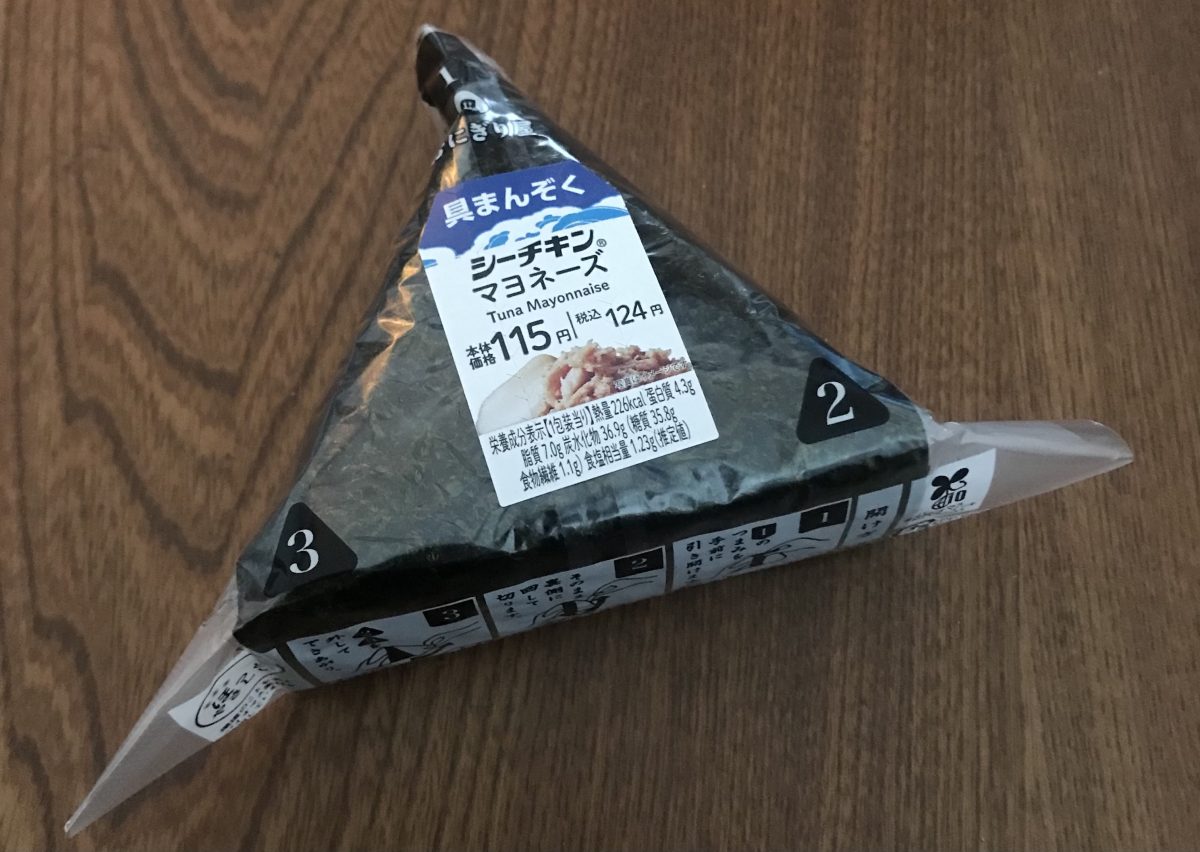
  • Tuna Mayo

    Tuna Mayo

    With iffy flavours like pickled plum, mustard seeds, and fish eggs – tuna mayonnaise is a calming medium by being, in true onigiri fashion, deliciously bland. 

    Tuna mayo embodies all the best qualities of onigiri: understated, predictable, and moreish. When I ask people their favourite rice ball flavour, the answer is often tuna mayo. 

    Mayo is a key ingredient. Japanese mayo is a tier above its western counterpart. This is because, while western mayonnaise incorporates whole eggs, the Japanese variety only uses yolks of a particular yellow. 

    Combined with rice vinegar, the result is a creamy sauce akin to custard; fatty, sweet, rich, and acidic. The chief brand even has an adorable name, kewpie. The logo is a naked red angel baby doing the YMCA, and the nozzle is cut like a star so that the sauce squirts out in a funny shape. Cute, bizarre, novel, and delicious. Japanese mayonnaise.

    Yet, like a surprising number of popular Japanese foods, Japanese mayonnaise isn’t very Japanese in origin. 

    It began just over 100 years ago when a political upheaval opened the proverbial floodgates between Japan and the west. This period is called the Meiji Restoration and marks the nation’s transition from Samurai warriors and ritual suicide to Hello Kitty and the highest life expectancy on earth. Large sections of Japanese society embraced western clothing, ideas, technology and food. It was during this time that mayonnaise, the whitest food of all, entered Japan. 

    So began a legacy of abuse. Noodles, pancakes, fried chicken, octopus balls, melon – few foods escape mayo. There’s even a Japanese word for a mayonnaise-obsessed individual, Mayora. This comes from merging the word mayo with the suffix “er” (as in “fighter” and “driver”) essentially creating the label “mayonaiser”. 

    Overall, the mayonnaise that completes a Tuna Mayo onigiri is special not just because it’s delicious, nor because it is everywhere, but because it represents one of Japan’s most remarkable qualities. 

    Few countries do cultural fusion like Japan. This land has a long history of adopting foreign concepts so zealously that one could be forgiven for thinking these things weren’t Japanese to begin with. Food is a key example, although others range from video games to toys to world religions. Mayonaise, ramen, tempura, even the very custom of eating meat – these pillars of Japanese cuisine are imports that arrived during the Meiji Restoration. 

    Tuna mayo embodies all the best qualities of onigiri; it also embodies some of the best qualities of Japan. In a long-winded sort of way, you can see this when you peel back the nori. Hell, you can taste it too. It’s very good.  
  • Rice balls

    Rice balls

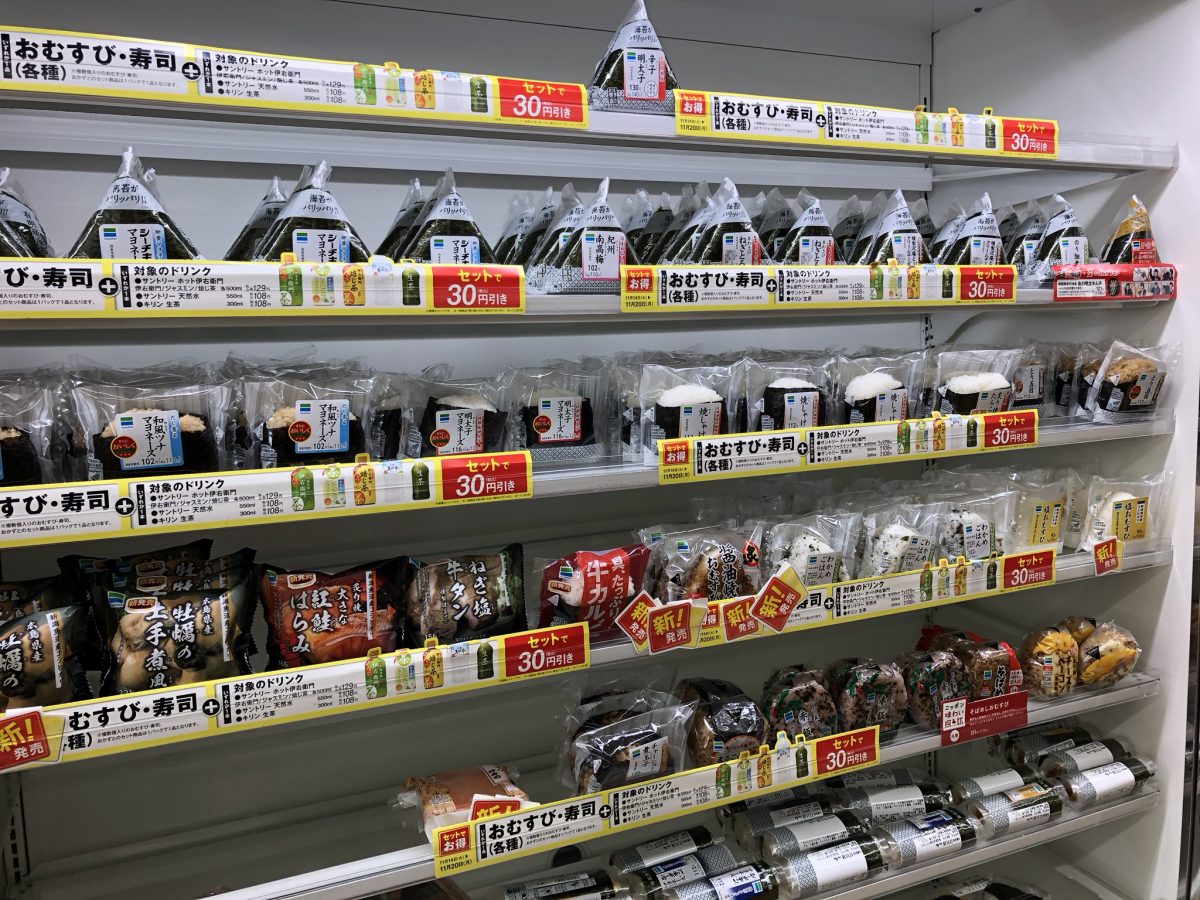
    Onigiri are a Japanese food made from white rice (sometimes salted, most often plain) formed into cylindrical or triangular shapes and wrapped in nori (seaweed). Within this package is a filling: ume (pickled plum), salmon, cod, tuna mayo, bonito flakes…the list goes on.

    You can see onigiri arranged in a refrigerated cabinet adjacent to the checkout counter at convenience stores, gas stations and supermarkets. This pride of place reflects their popularity. They’re Japan’s equal to the ham sandwich, a trustworthy and versatile staple that is cheap, predictable, and easy to consume. 

    Onigiri are, to put it simply, delicious. 

    My first real taste of Japan was an onigiri bought in the lobby of the Hotel Nikko. It was day one of a fourteen-day quarantine and I had to arrange my dinner. I bought the cod roe flavour, certain that I liked cod but unsure about the concept of “roe”. 

    Nori grows soggy and unpalatable when applied to rice for an extended period. So, onigiri are ingeniously wrapped in a way that separates the two by weaving the plastic packaging between rice and seaweed. When one pulls at both ends, the barrier slips away and nori embraces rice. 

    Back at the Nikko Plaza, my inexperienced self made a mess of this first onigiri. The brittle nori broke into pieces as my barbarian hands tore at the packaging. Nori flakes at my feet, I bit into the rice ball and tasted Japan for the first time. 

    Onigiri are one of the many irreplaceable components of the Japanese engine. Manufactured for greatest convenience, It’s a faux pax to eat food while walking here, but onigiri are one of the few exceptions. The densely packed rice is filling – I’m reminded of lembas bread, the Tolkein invention that fills the stomach of a grown man after one bite. 

    They’re simple, even bland, but it’s this very banality that makes them special. Like so much Japanese food, onigiri proves that a dish doesn’t need to sock you in the mouth with spice or flavour to be delicious. I feel like this is one of the many incongruities I’ll never understand about Japan. 

    At the time of writing, I’ve been here for two bags of rice, two tubes of toothpaste, four razors, one canister of shaving foam and twenty-two onigiri. I could spend a lifetime studying this country and still die ignorant of most of it. I could live here for decades and still be a visitor. These thoughts are equal parts enticing and isolating. 

    Living here is sometimes like being in an aquarium and I can never really tell which side of the glass I’m on. I can press my nose against the pane and observe all I want, but try as I might, I’ll never be able to cross over. I am both the ogler and ogled, separated from a world (that stares back with the same confused intensity) by some invisible barrier that I can’t name. 

    Perhaps that barrier is language. My Japanese is not, as the locals would say, jouzu. Although, I feel as though it’s more than that. For now, I take comfort in the fact that coming here has led me to onigiri. In the face of disorientation and an occasional twinge of homesickness, the presence of good snacks must mean I’m on the right track.