Central Japan is famous for alpine vistas, secluded mountain temples, and onsen-bathing monkeys. It’s less famous, however, for the influential enclave of foreigners who have called the region home for over 100 years.
Central Japan is famous for alpine vistas, secluded mountain temples, and onsen-bathing monkeys. It’s less famous, however, for the influential enclave of foreigners who have called the region home for over 100 years.
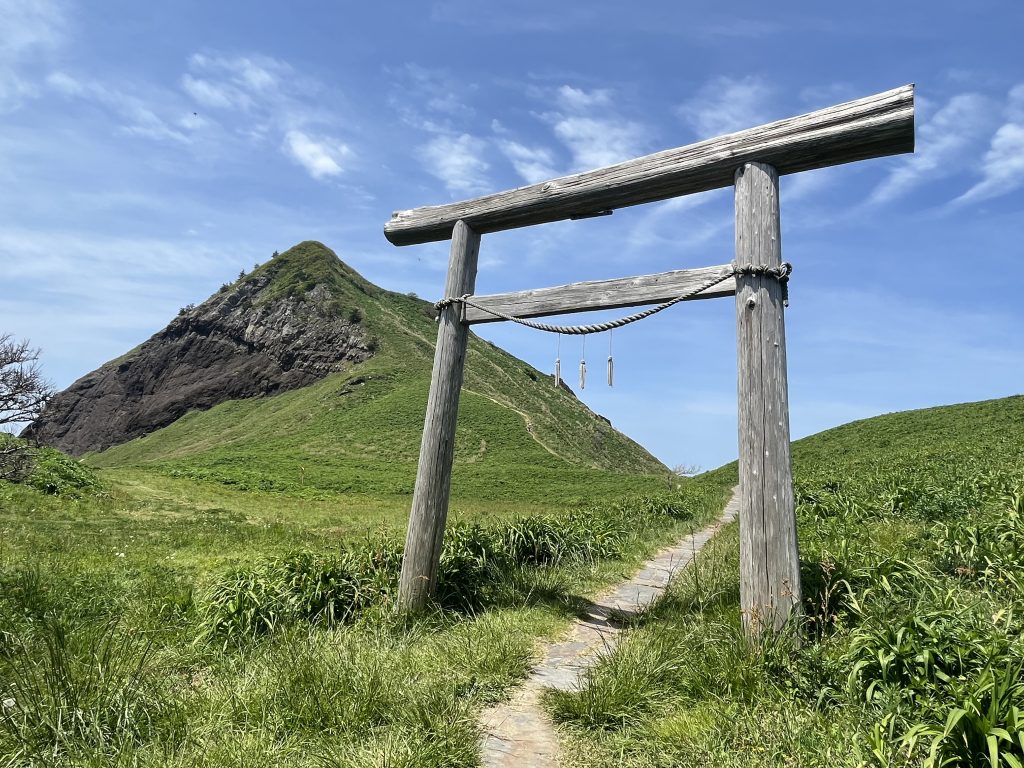
In May, 2023, I travelled the circumference of Sado Island. Off the coast of Niigata Prefecture, Sado floated as a famed place of exile for milenia. Wanting to find out whether the island still accepts vagrants from the mainland, I sought to hitchike around this oft-forgotten part of western Japan.
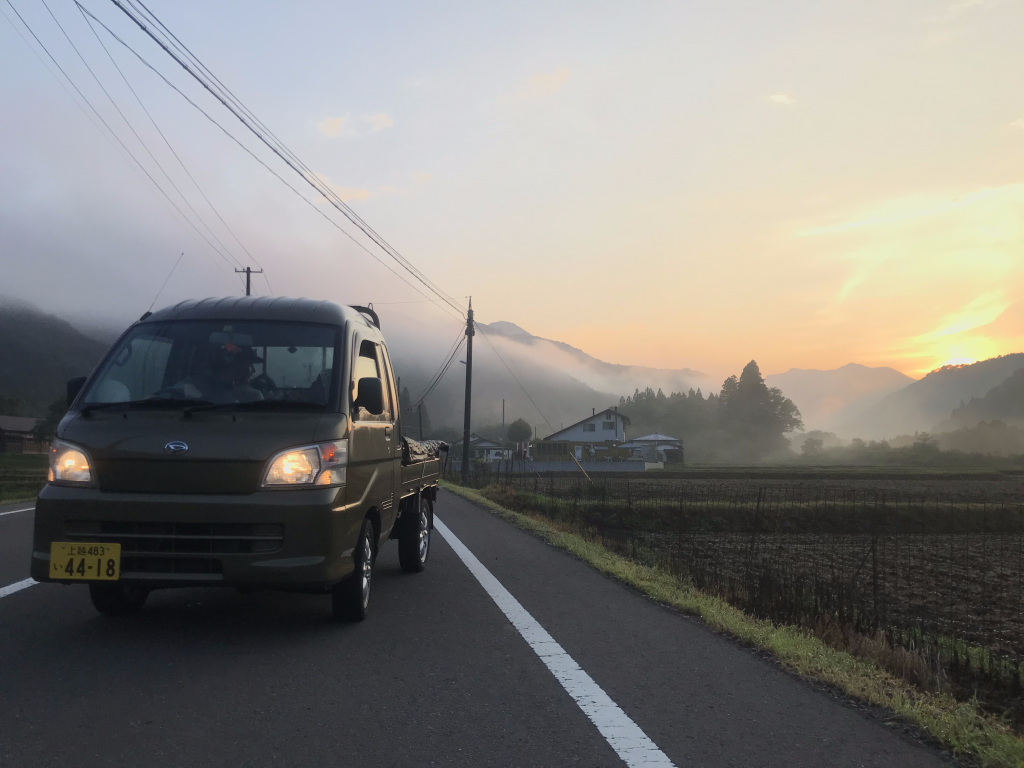
My first ever long-form feature article. It recounts a journey in my little green kei truck, which my college flatmate and I drove from central Japan to its northernmost island. Throughout, I interview travellers, truck enthusiasts, and drift racers to get to the heart of why Japan’s quintessential minitrucks are so loved.
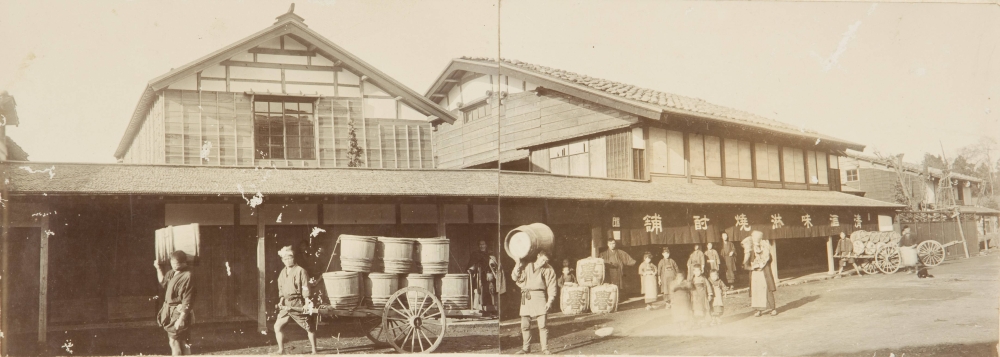
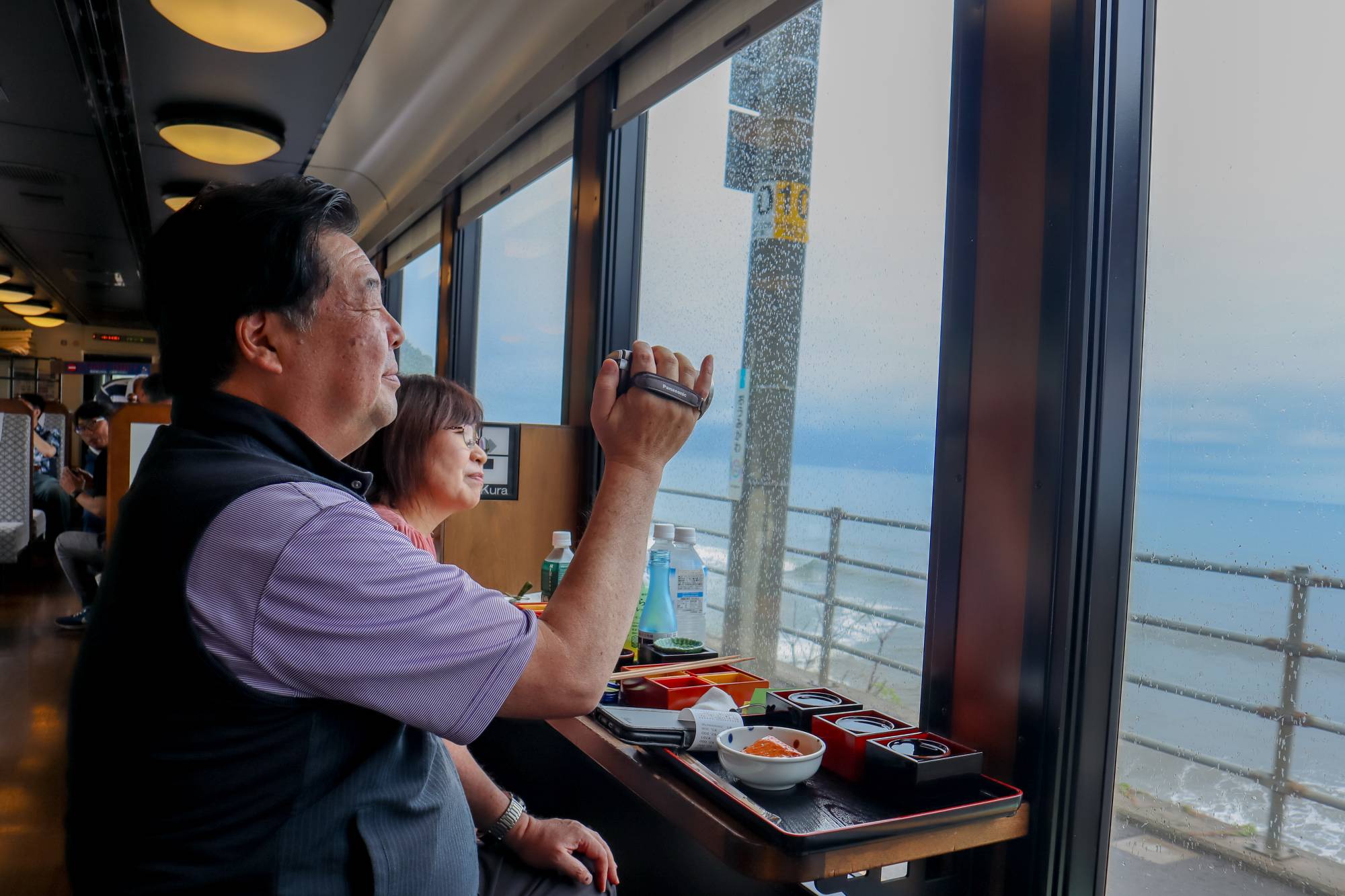
Niigata Prefecture is renowned for its sake (rice wine). In my small town of Joetsu alone, there are several breweries, two festivals, a sake-tasting railway and, until 2004, a high school devoted to brewing a vintage none of its students could drink.
However, in recent years, sake’s popularity has declined. Here’s my article in The Japan Times about Niigata’s relationship with sake and how Japan’s national tipple might bounce back.
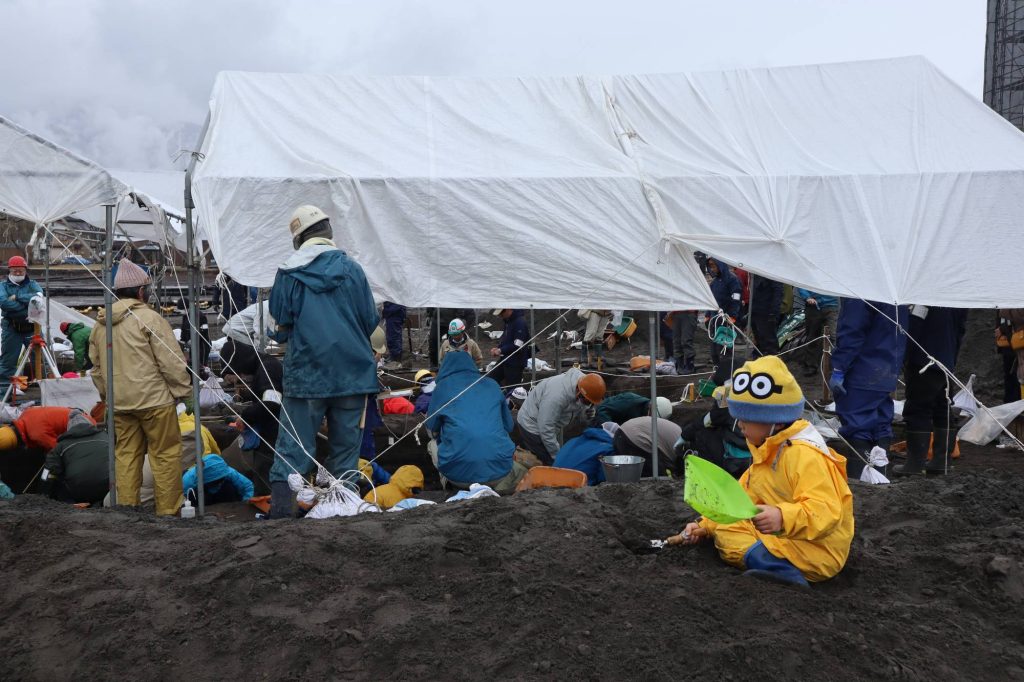
Back on the trail of Naumann’s elephant, I wrote a side story for The Japan Times about the benefits of community-centric archeology.
As it happens, kids like digging in the mud more than they enjoy sitting in a classroom.
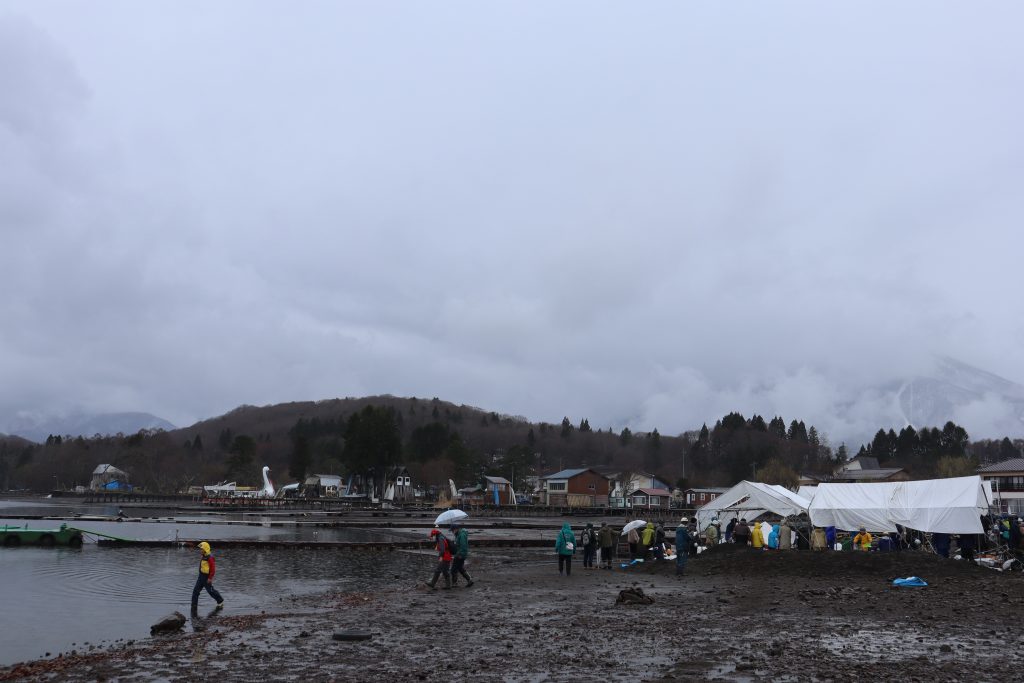
At the close of my second Japanese winter, I managed to get a piece about elephants in The Japan Times. It was the first ever story of mine to appear on the front page of anything, let alone a national newspaper.
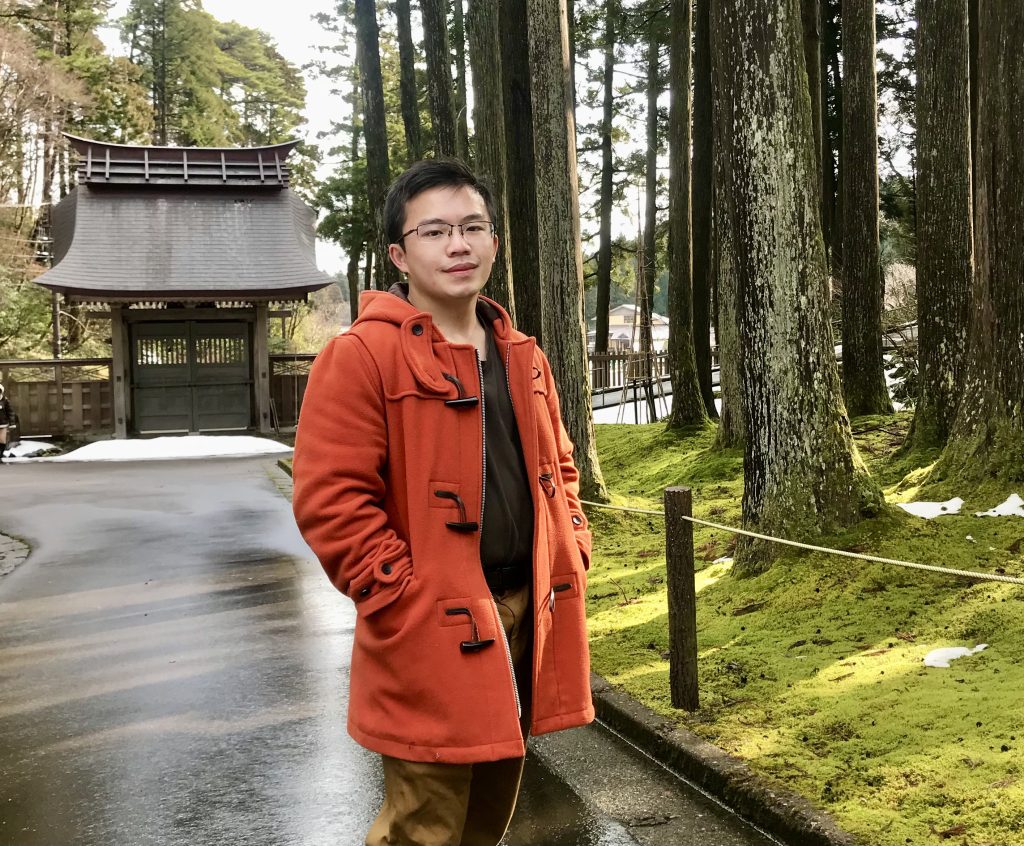
David Leong’s first year was intense but, without hesitation, he signed on for another. Katherine Patz, Hunter Grin and Gogo Salaswat did the same. Over the break, I talked with these ALTs (assistant language teachers) about why they chose to take this leap, and what they want from their second year in Japan.
This article was published in the Japan Times. Click here to read that version. For the unedited version, read on
Gogo Salaswat, 27, lives in Niigata prefecture. She moved there in October 2021 from Tucson, Arizona.
Katherine Patz, 23, lives in Ishikawa prefecture. She is originally from Tulsa, Oklahoma.
Hunter Grin, 25, moved from Manhattan, Kansas to Niigata City in May, 2022.
David Leong, 26, is from Auckland, New Zealand. He’s been living in Niigata prefecture since November 2021.
For our cast of teachers, 2022 was tumultuous. It brought each to thrilling highs and grinding lows. Katherine Patz described her first year in Hakusan, Ishikawa prefecture, in glowing terms.
“I would say my first year has been a really positive experience,” said Patz, “it was honestly such a magical year, I got to do some traveling, I met so many wonderful people, I really fell in love with this area.”
She recalled reading online a litany of horror stories from English teachers in Japan, “I think that fueled so much of my anxiety about coming here,” she said, “it’s easy to go on the internet and be like, ‘that’s gonna be me, I’m doomed’ (…) so I came in super motivated, thinking ‘I’m gonna make friends, I’m gonna be a good teacher, I’m gonna make the most of it.’ I think, to get by, you have to repeat these things to yourself.”
Patz attributes her joyous first year, in part, to this mantra. Another factor was her placement. “I didn’t choose to live in Ishikawa,” she said, “when they asked my preference, I wrote down Kyoto. When I got placed in Hakusan, I had no idea where that was.”
Patz soon found that Hakusan is an oft-rainy corner of western Honshu, home to a community into which she readily integrated. The warmth of that community helped define her first year in Japan.
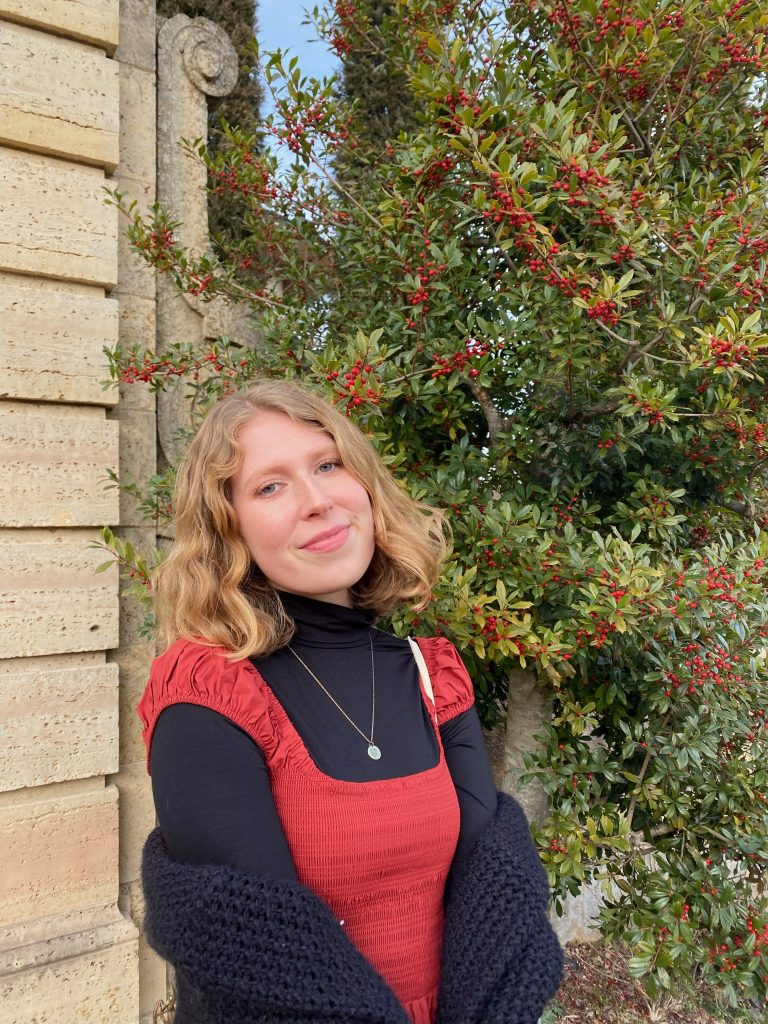
Patz also learned a lot about herself. “I think I built some more trust in myself, I realized I can take on these kinds of challenges and actually do well and thrive.”
Looking back at 2022, Hunter Grin feels a similar sense of achievement. “I’ve never studied abroad outside of my country,” said Grin. “So going off into the deep end and moving to a foreign country where English is not the main language…” Grin paused to consider, “I can say I’m pretty proud of myself for keeping my head.”
Like Patz, he enjoyed his first year in Japan and is eager for more, driven by a desire to get the most out of this opportunity. “I don’t know the next time I’ll be able to go to a foreign country,” he told me, “living here has been one of the top things on my bucket list and I want to stay here as long as I can.”
Gogo Salaswat’s first year was challenging. She lives in Joetsu, a town in the heart of snow country. For an Arizona native and self-proclaimed “desert rat,” the change in climate was especially tough. “I think I was just trying to take it day by day,” she said, referring to the oppressive cold and snow which smothers Joetsu in winter. Adverse weather, knowing no one, and seldom being able to talk with the people she met presented constant hurdles. However, these hurdles uncovered a level of resilience that she didn’t know existed. “I had a lot of new experiences and pushed myself,” said Salaswat. “I think overall, despite the challenges, it was very eye-opening.”
Leong’s first few months were also tough. He too lives in Joetsu, albeit a snowier part. After a grueling winter shoveling snow whilst navigating the pitfalls of culture shock and homesickness, Leong figured that if he could make it in Joetsu, he could make it anywhere.
I spoke to Leong on the cusp of another winter. “The thing that I’ve learned above all is that Japan’s just another place, and you’ll live life no matter what, “ he said, “I think at the end of the day, as long as you’re willing to adapt and be flexible, people can live anywhere. I mean, it’s freaking cold at the moment, but we’re still here having a good time.”
Andrew Spearman, Kristjan Bernot and Clayton Steed have worked as ALTs in Japan for over four years. These experienced teachers have shepard-like roles playing instructor, counselor, guide, and interpreter for new arrivals. Throughout one’s journey teaching in Japan, their perspective is invaluable.
“The first year is all about finding your footing.” said Spearman, “different parts of your life are flung up into the air once you touch ground here. Your second year is when those things start to settle and you find out what sticks.”
Grin’s experience reflects this idea. “I think going into my second year, I can view Japan with less anxiety because I’ve kind of gone off the deep end and done a lot of things that are outside of my comfort zone,” said Grin.“I was stressed about traveling,” he confessed, “but now that I have a grasp of Japan’s trains and a little bit of Japanese under my belt, I really want to start exploring this country.”

Bernot stressed that exploring Japan is crucial in one’s second year. “Now that you have gotten somewhat used to your environment, go outside and meet people,” he said, “the more people you meet, the more connections and friends you can make. With that, your confidence and Japanese skill will improve and it will save you from boredom. This exponentially improves the quality of your life.”
Steed agreed with Bernot. “The second year is your time to really step outside your comfort zone, go to new places and find new experiences.” he said, “be proactive in filling your time, deepening friendships with people you’ve met in Japan, and venturing out to see more of what Japan has to offer. Most opportunities aren’t just going to fall into your lap.”
If Steed could give one piece of advice to his first-year self, it would be to interact with more Japanese people. “It can be easy to go to other ALTs or teachers that speak English,” he said, “but I think you end up missing out on a big part of what living in Japan has to offer if you aren’t talking and being with the locals.”
Obviously, the key to interacting with Japanese people is speaking Japanese. Patz can feel her Japanese improving day after day. This feeling, she said, is a big part of why she’s staying in Japan. “I love seeing how well I was able to speak and communicate this time last year versus now,” she said.
Patz’s measure of language ability will be the friendships she can make and maintain, as well as the depth of conversation that she’s able to hold. “I want to keep creating more relationships and have better conversations with the people I know,” said Patz, “that’s a big reason why I want to stay.”
Beyond improving relationships, Bernot said that studying Japanese is the key to a stress-free life in Japan.“A lot of ALTs struggle with the transition from being a fully functioning member of society in their own countries to being a lot more helpless here in Japan due to not knowing the language.” he said, “knowing and being able to actively use Japanese will help with your mental well-being.”
Salaswat, looking back at her first year in Japan, said that another key to her mental well-being has been the acceptance of imperfection. “I would tell my first-year self to take it easy. I don’t have to constantly compare myself to others, I don’t have to be on my A-game 100% of the time, and nobody expects me to know every answer,” she said.
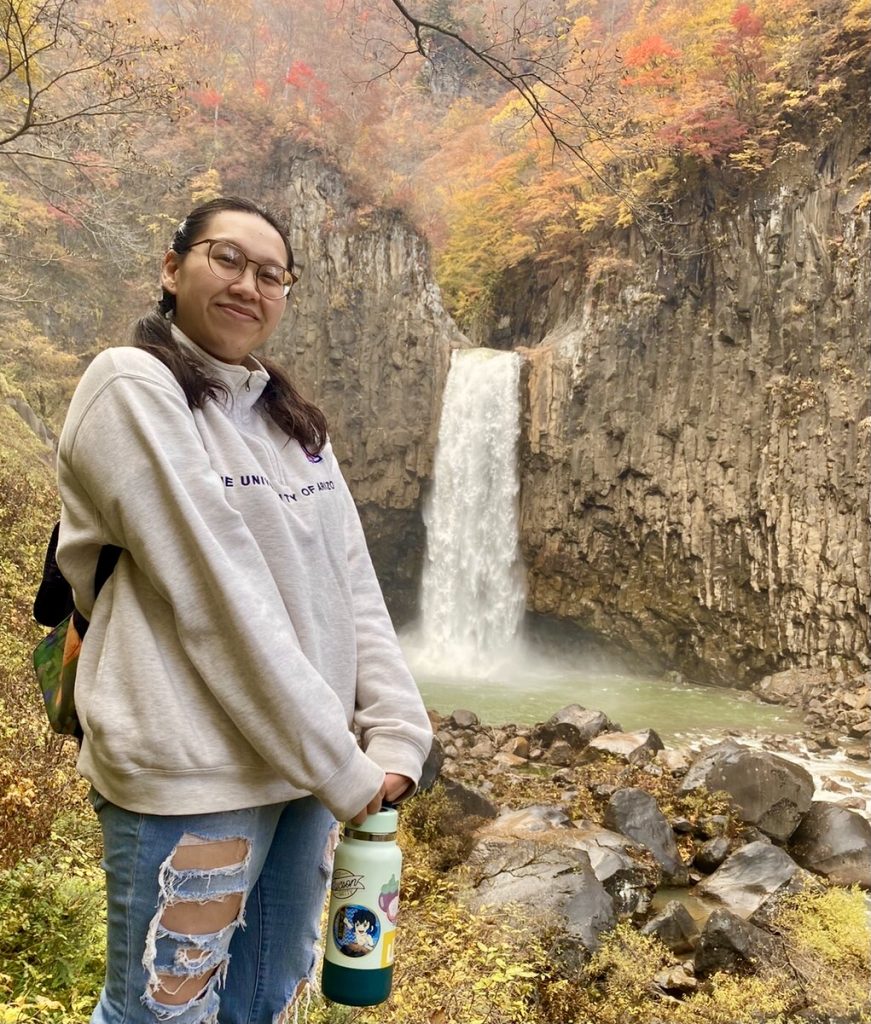
With the temporary nature of her job as an ALT comes a degree of pressure to do as much as possible, unless one misses out on the “perfect” experience. If Salaswat could change anything about her first year, she’d let go of that expectation. “I would not make so many commitments nor feel obligated to do so many activities just because of my role as an ALT,” she said.
Spearman gave similar advice. “To make the most of your second year, try to figure out what your priorities are and then work them into your rhythm,” he said, “if you think the first year went by quickly, they only get quicker.” If Spearman could consult his first-year self, “I’d tell myself to be courteous but to stop wasting time people-pleasing and chasing empty projects. You become your surroundings, so put your energy into the groups, activities, and people who help you grow.”
Accepting imperfection and managing his energy are lessons Leong is excited to take into 2023. For this reason, among others, leaving Japan this year is inconceivable. Like the rest of our cast, he feels as though he’s only just acquired the tools that will help him explore the country the way he wants. “The adventure hasn’t really felt like it’s reached a conclusion.” said Leong, “I feel like there’s just so much more of Japan I can experience.”
If he could give one piece of advice to a teacher on the cusp of re-applying for a second year in Japan, Spearman would say this, “practically speaking, just ask yourself what kind of person you want to be or what kind of skills you want to have at the end of the experience,” said Spearman. “Stay as long as you need to in order to make that happen.”
Spearman also added that, between choosing to stay or leave Japan, neither decision is wrong. “Be happy with whichever decision you make.” He advised, “back home, you have friends and family who love and miss you. Here in Japan, you’re budding new friends and you’ve still got so much more that remains undiscovered. Both paths will lead to your growth. Your loved ones shouldn’t mind waiting for you, and Japan isn’t going anywhere either.”
Teaching in Japan isn’t for everyone. Japan isn’t for everyone. For every enthusiastic teacher signing on for another year in 2023, as our cast have, there’s also a story like Tim Lomax’s.
Lomax moved from New Zealand to Tottori prefecture in late 2021. His move to Japan marked the natural conclusion to a lifetime of interest in Japan and its culture. A talented photographer, Lomax traveled to Tohoku in the wake of 3/11 where he produced a moving series of portraits that further confirmed his desire to make Japan home.
In the nervous period before leaving home, Lomax was the picture of calm. He’d worked too hard to not make it to Japan, he told me. He felt in his bones that it was where he was supposed to be.
Yet, after an inaugural winter marred by illness and family tragedy, Lomax was struggling. Some days, he could barely leave his bed. He felt isolated, driving daily to the same desolate school staffed by teachers unable to help him in the ways that he needed. He eventually cut his contract short and left Japan, returning home the following spring.
Lomax’s story exemplifies the acronymic mantra for foreign English teachers in Japan, ESID – Every Situation Is Different. No matter one’s motivation, one’s skillset or optimism; in the wrong situation, anyone can falter. What’s important to remember is that that’s okay. Moving to another country is a big decision. Remaining, equally so. It bears repeating Spearman’s belief that, as with all such decisions, there are no wrong answers.
Across each conversation I had with Patz, Grin, Salaswat and Leong, there was a profound sense that their adventure in Japan had only just begun. After an intense year rocked by culture shock, language misadventure and the pitfalls of living alone, this lucky group found their sea legs.
With that discovery came a renewed sense of determination; to learn: to meet new people: and to strike out across their adopted home with confidence. “I still have yet to see the northernmost point of Japan, the southernmost point of Japan and everything in between,” said Leong, “after that, I’ll go home.”
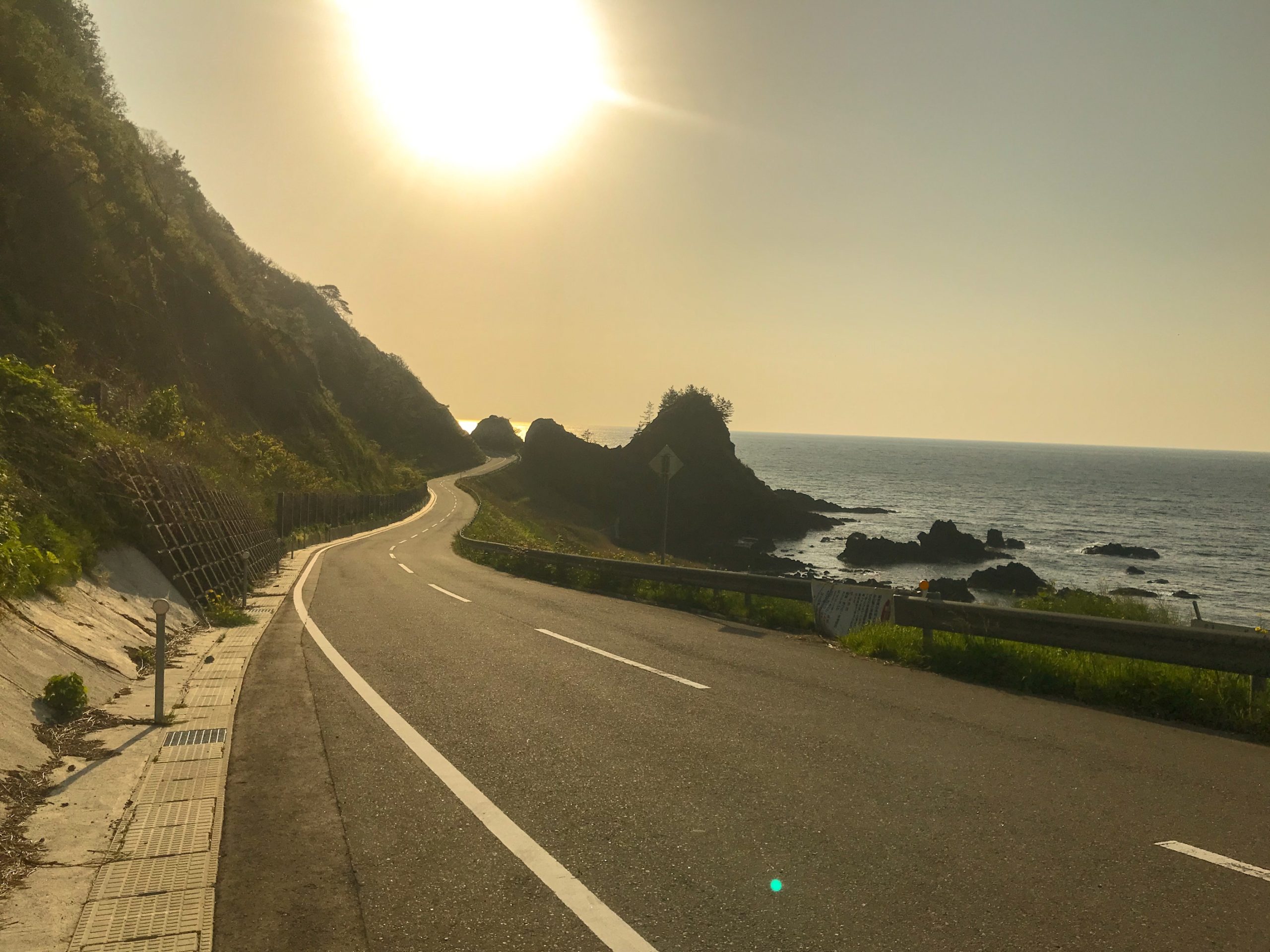
I was lucky enough to have this piece published in Metropolis Magazine. You can read that version here.
The Noto Peninsula was once considered the edge of the world. Throughout Japan’s history, the nation’s rulers banished unruly lords to the rugged, windswept cape. Today, Noto retains that feeling of undisturbed isolation — cut off from the hubbub of Japan’s more popular locales.
The name “Noto” is derived from the Ainu (Japan’s indigenous people) word for “big cape.” The landmass juts out into the Sea of Japan – the moodiest of Japan’s seas.
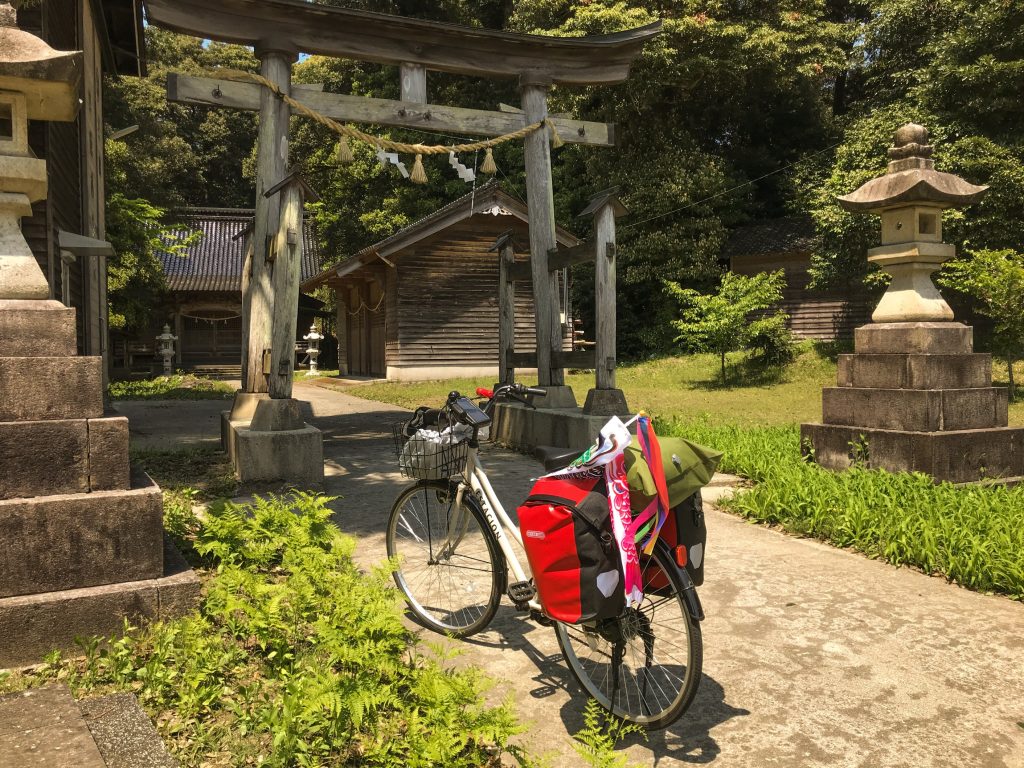
Wanting an adventure, I explored Noto on my commuter bike. I paid for my passage with sunburn and soreness. In return, I saw a side of Japan that had previously been little more than a blur outside the shinkansen window.
My route followed a “つ” shape around Noto’s south, east and north coasts. I rode a mamachari, or “mother’s chariot,” so named for the bike’s capacity to haul anything from groceries to infants. Mamachari are slow, hulking bikes, seldom used for long trips. So, while I barrelled down Noto’s hills like a bowling ball, I mostly traveled at a jogging pace.
On day two I trundled towards Gunkan Jima, or “Battleship Rock.” The island features on practically every one of Noto’s brochures—and for good reason. A sight to behold at sunrise, it rises from the sea like a great imposing mushroom.
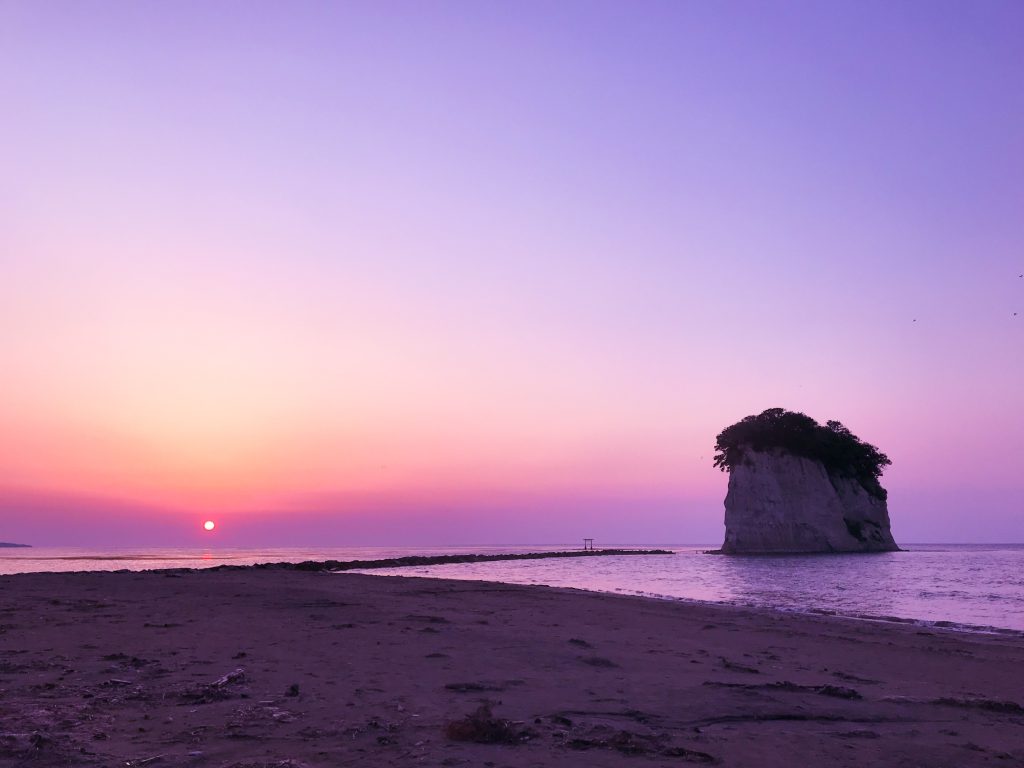
Next to Gunkan Jima is Matchmakers Beach. Here, couples can ring the deafening “Bell of Everlasting Love.” After I’d soaked in a nearby onsen (and received an enthusiastic tour of the building by its owner), I camped in Gunkan Jima’s shadow. The bell rang all night.
In 2021, Japan’s central government granted Noto ¥800 million ($7.31 million) in an effort to help the region recover from the pandemic. During my trip, I saw evidence of this subsidy everywhere; from the shiny new Bell of Everlasting Love to the new signage directing my route.
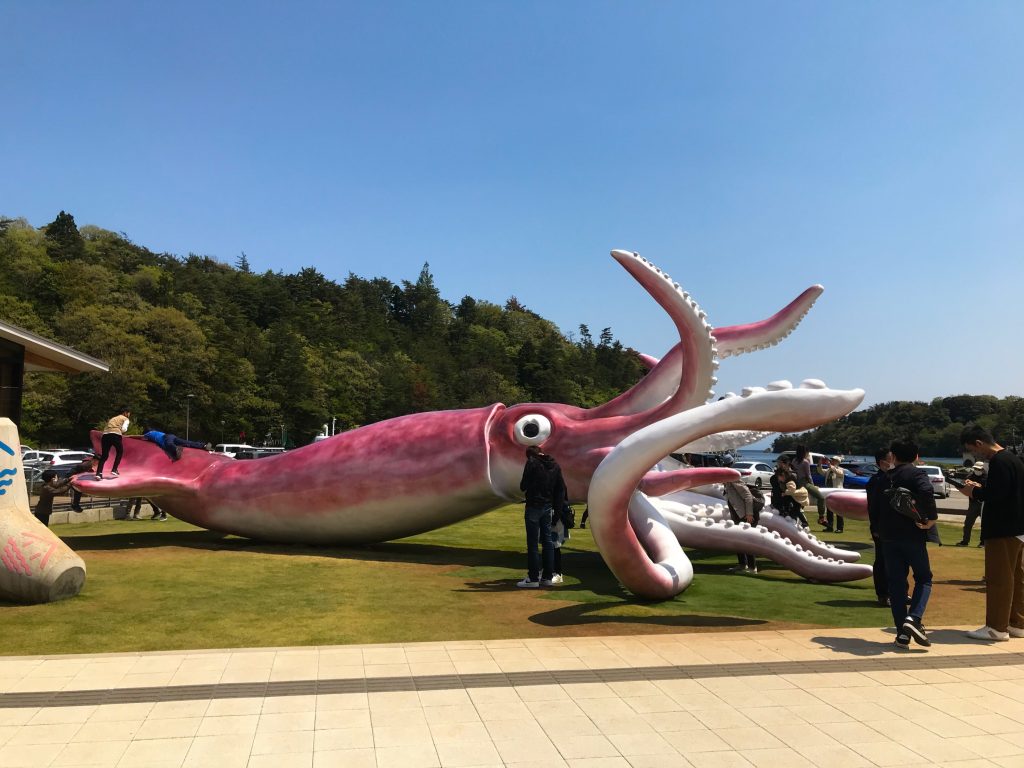
Mostly due to geography, the region missed out on much of the prosperity, glitz and amenities enjoyed throughout Japan’s cities. Bereft of Tokyo’s Skytree or Kyoto’s palaces, Noto’s communities had to get creative in order to attract visitors. Infamously, Noto spent a large amount of its subsidy on “Squid King” — a 13-meter-long fiberglass squid parked by the roadside in Tsukumo.
Tsukumo was once a hub of squid production but had since been mostly abandoned—a familiar tale in rural Japan. To Squid King’s many critics, His Majesty was a frivolous waste of a much-needed handout. Outlets from the New York Times to the BBC reported on the controversy.
When I rolled through, the town was overtaken by what can best be described as squid-mania. Grandparents nibbled dried squid, couples flaunted matching squid t-shirts, and kids screamed for squid balloons. A recent report found that Squid King had since brought in 22 times his original cost in the last year alone. Clearly, the publicity served Tsukumo well.
In taking my time in Noto, I stumbled upon many stories like these that told of a region striving for rejuvenation. For decades now the peninsula, like much of rural Japan, has experienced a demographic decline. The evidence is everywhere, from desolate homes to empty villages. Nonetheless, local governments have found creative ways to overhaul Noto’s cultural scene, meaning this aging region is anything but stale.
On my third night I camped outside The Suzu Theater Museum, a converted clifftop gymnasium that was once part of an abandoned high school. This museum turns Noto’s gloomy statistics into something hopeful, if not beautiful, by reworking evidence of its shrinking population into works of art. Carefully arranged by local artists, the exhibits display everyday items found within Noto’s many vacant homes.
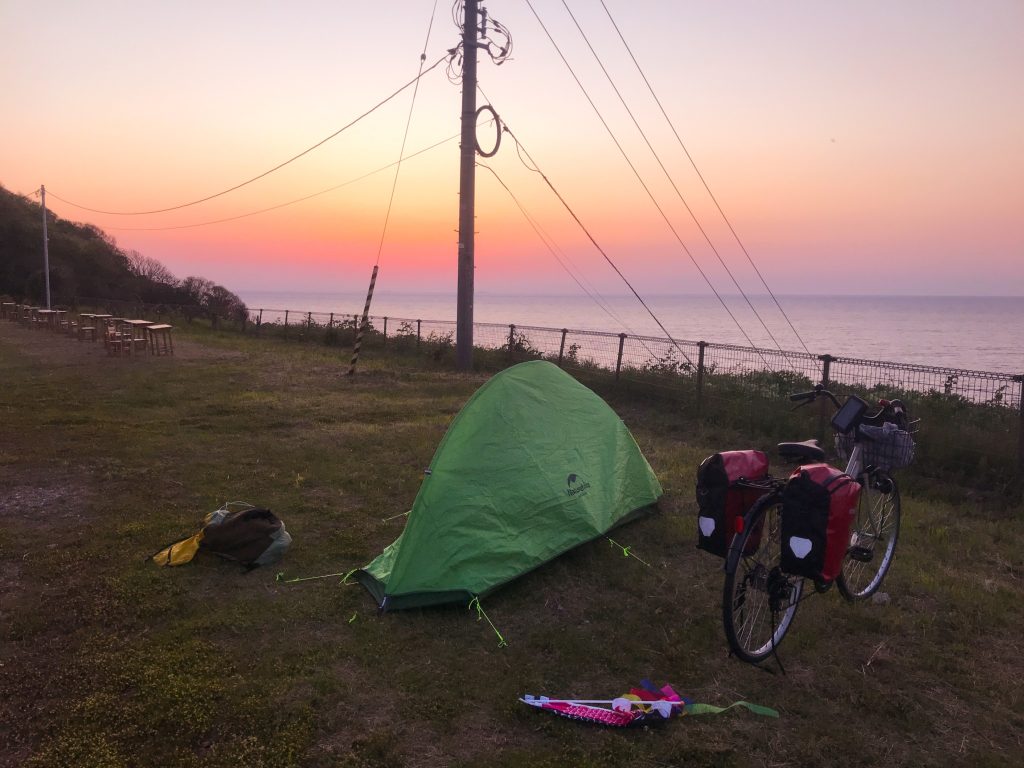
Arrayed across the walls was family porcelain with no one left to inherit it. Home movies and clips of the sea played on vintage televisions — their owners having long departed. My visit was melancholy. Yet, it was also inspiring, for it showed a community’s determination to preserve and share the memories of those who had once called Noto home. It’s representative of the peninsula’s knack for adapting its past and present into something worth seeing.
A culinary example of this quality can be found in the salt farms on Noto’s north coast, which I rode through on my fourth day. These farms use a method of salt production called agehama, a centuries-old technique that requires over ten years’ training to master. The Samurai lords of present-day Kanazawa coveted this salt for its unique taste. Today, the nearby Sio cafe uses it to make pancakes. Light, fluffy and inexplicably crunchy; they were delicious.
On my fourth and final night, I camped in Wajima, a town on Noto’s north cape famous for its millennia-old crafts industry and weekend market. The town was packed with tour buses, each having traveled up Noto’s central highway from the mainland. The next day, these same buses whisked tourists to Wajima’s scenic rice terraces, stopped at Squid King, then sped back to Kanazawa.
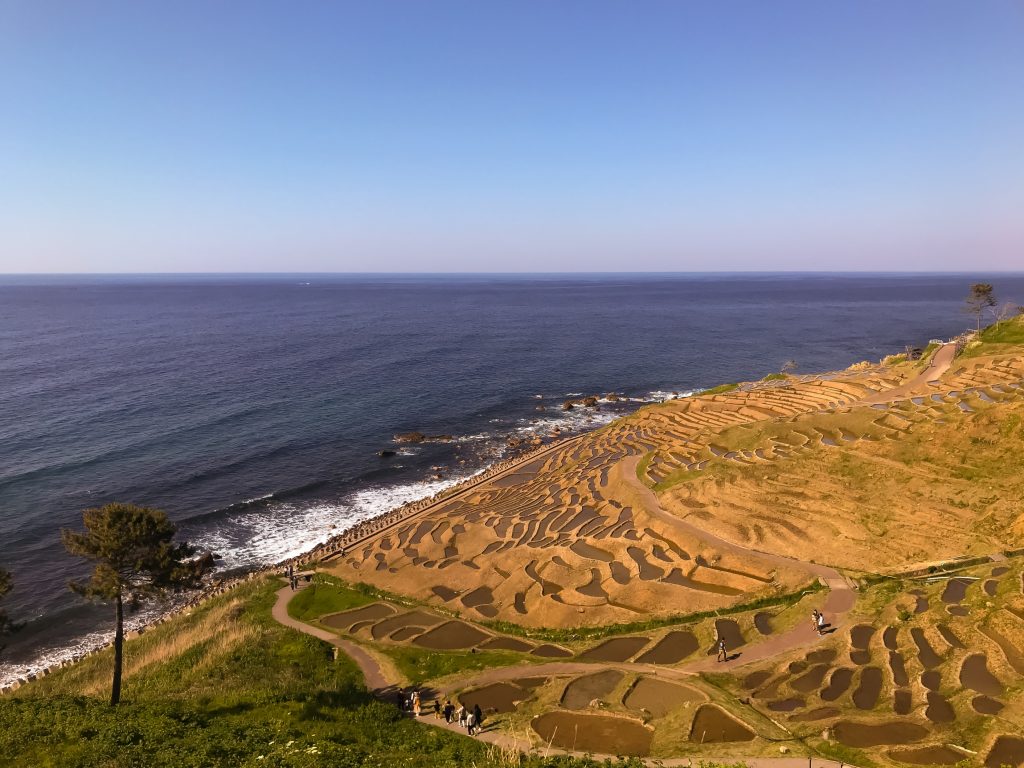
To tour Noto this way is to miss the tales and quirks that make the peninsula truly worth visiting. Though the windswept coast may be quiet, there are treasures and stories to be found in the backwoods. If you travel too quickly, you’ll fly right past them.
Should you bike, as I did, Noto will certainly extract a fee. You’ll be sore, sunburned and (if unlucky) rained on. Yet, the peninsula will also reward you with an experience no city tour can provide.
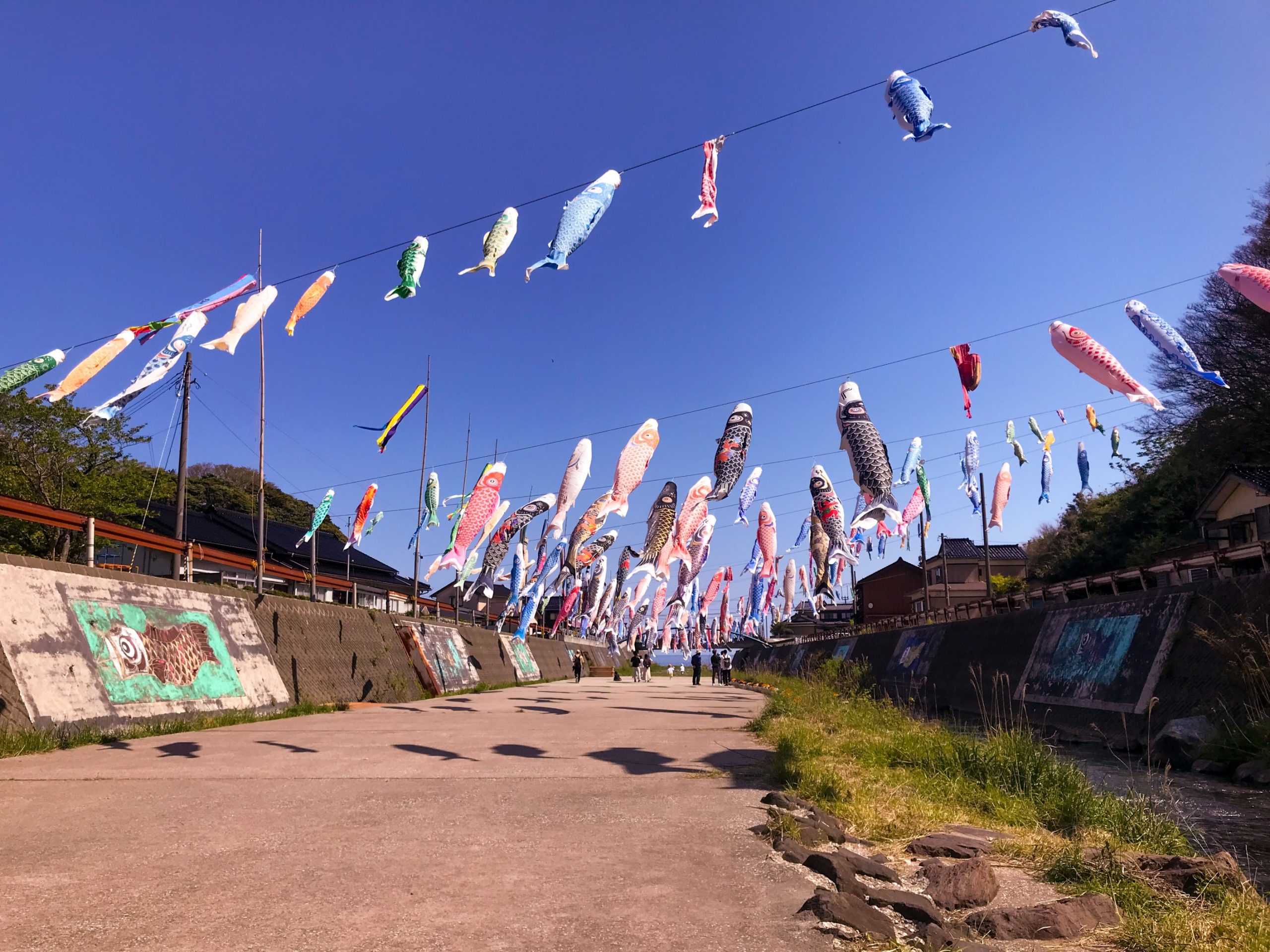
300 Koinobori (鯉のぼり), or “carp streamers” flutter in the wind in the village of Otani. Koinobori are flown all over Japan from April through to May in honour of the national holiday “Children’s Day.”
I watched the last sunset of my trip in Wajima. Tired and filled with grilled fish, I soothed my sunburn in the sea beneath a lighthouse. Squid boats drifted lazily across the horizon, their lights indistinguishable from the stars.
I felt a pang of jealousy towards those banished lords who got to live out their days in manor houses amidst this desolate, beautiful land. Sure, threats of decapitation kept them here, but why would they ever want to leave? Between an eternity in Noto and an eternity in Tokyo, give me Noto.
Since moving to Jōetsu in November 2021, I’ve been asked one question more than any other: why did you come to Japan?
Check out this article to see what brought six Jōetsu residents to The Land of the Rising Sun. It’s my first ever piece in a publication that isn’t edited by one of my mates. I’m stoked.