Category: Blog

  • 12 Months in Tengoku – Part 2

    12 Months in Tengoku – Part 2

    Winter

    Jennifer Roche sat at her desk and stared out the window. The snowy deluge showed no sign of stopping. Scores of thick clumps fell in an endless barrage, covering everything under the sky in a bulging carpet of white. 

    She expected to hear at any moment that school was closed, that she was being sent home, or any kind of response to the act of God unfolding outside. “There was no such announcement,” said Jennifer, “that was just kind of what every day was like for the rest of winter.” 

    Mountains surround Jōetsu on three sides. In winter, they block Siberian squalls from the west, directing their moisture back up into the sky and down onto the city. The result is a disturbing amount of snow. In January alone, Jōetsu receives an average of four meters of powder – that’s almost two Shaquiel O’Neil’s. 
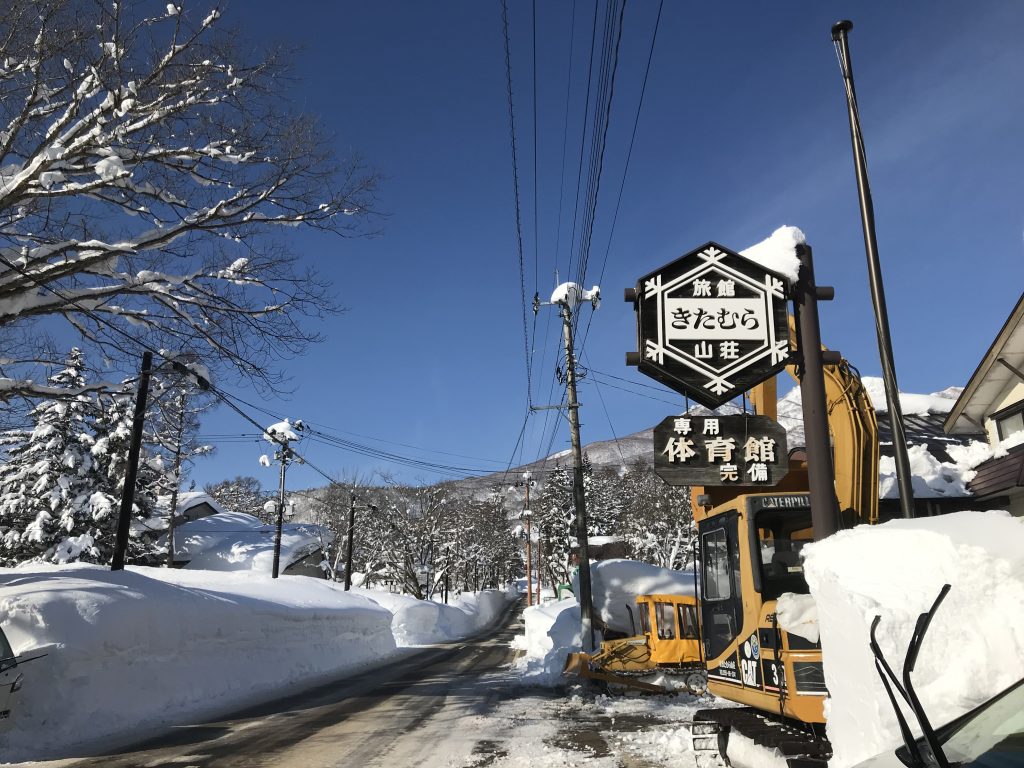
    A row of buried inns outside Ikenotaira.

    “The most surprising thing was hearing that that winter was normal,” said Jen who, like me, experienced her first apocalyptic Jōetsu snowfall in 2022. By all accounts, that year’s bombardment was mild; although the city’s bar for “mild snowfall” is still far higher than most places on earth.

    The previous winter, however, was a different story. 

    Takuma Kobayashi, a Jōetsu resident of some 30 years, witnessed the winter of 2020/21. He recalled, “on the big road outside my house the snowplow couldn’t come for one week, you couldn’t see anything. (…) Tsune (our mutual friend) came to pick me up from Kakizaki. It’s usually a 30 minute drive but it took him three hours. His landcruiser got stuck in the Aoki parking lot and many other cars were stuck on the road.” 

    In January 2021, the city designed to weather two Shaq’s-worth of snow per-month ground to a halt after 3 meters of powder fell in one night. Residents couldn’t access roads and some could barely leave their homes. According to local news, four people died and 33 were injured. 

    A typical day at the start of 2022 began and ended with shovelling.

    In past winters, before the invention of snowplows, Jōetsu’s economy survived this recurring apocalypse thanks to a network of covered walkways called Gangi Dori. These coverings, many of them over a century old, still line the city centers of Naoetsu and Takada. Countryside folk bereft of this infrastructure had to make do by other means: they tunneled between buildings like moles. 

    In those days, a handful of people looked upon Jōetsu’s blizzards with glee: the Uesugi. They were the denizens of Kasugayama Castle, one of Japan’s five great mountain citadels. 

    Kasugayama Castle lay to the west of Jōetsu’s city center, overlooking the highway between Naoetsu and Takada. For all its towers and parapets, the Uesugi knew their greatest defense was Jōetsu’s snow; a yearly barrier no army could hope to assail. Surrounded by walls of powder, the likes of Uesugi Kenshin could retire to their keep and scheme. 

    One can’t go far in Jōetsu without seeing a statue of Uesugi Kenshin.

    In his half-buried fortress, Kenshin planned campaigns that earned him a place among Japan’s most cunning and tenacious samurai. Official records say he died from a stomach ache. Yet, according to another story, the warlord met his end when a spear-wielding ninja snuck into his latrine pit. Regardless, the snow saved Kenshin from neither. He is buried somewhere on Kasugayama. 

    In late February, I ventured up the hill in ski pants and snow boots, determined to find Uesugi Kenshin’s grave. I soon came to a forested cemetery, amidst waist deep snow and surrounded by eerie, spherical headstones. I waded deeper into the woods until I found a clearing. In the middle was a particularly grand monument. This wasn’t Kenshin, but one of his lieutenants. 

    As I stuffed the cemetery map back into my jacket, a thunderclap rang out and the sky turned the color of slate. The wind picked up tremendous force as it shrieked through the trees, ejecting roosting crows in a din of angry barks. 

    All of a sudden, that graveyard was the last place I wanted to be. Pelted by a sudden hailstorm, I waded down the mountain with inhuman speed. Even today, its castle barely a ruin, Kasuagayama proved unassailable. 

    Like Uesugi Kenshin, Takuma relishes Jōetsu’s snow. He likes to ski; “powder hunting” as he calls it. In Jōetsu, Takuma doesn’t have to look far for this quarry; the town nestles amidst some of the world’s best ski resorts, renowned for their powder snow. 

    Jennifer started skiing last year. On the mountain, she took in sweeping views of the alps while enjoying a physical activity that, while exhilarating, was also social. “It was really nice to do an activity and have people you could chat or spend time with,” she said, adding that many of her enduring friendships blossomed on the ski field. 
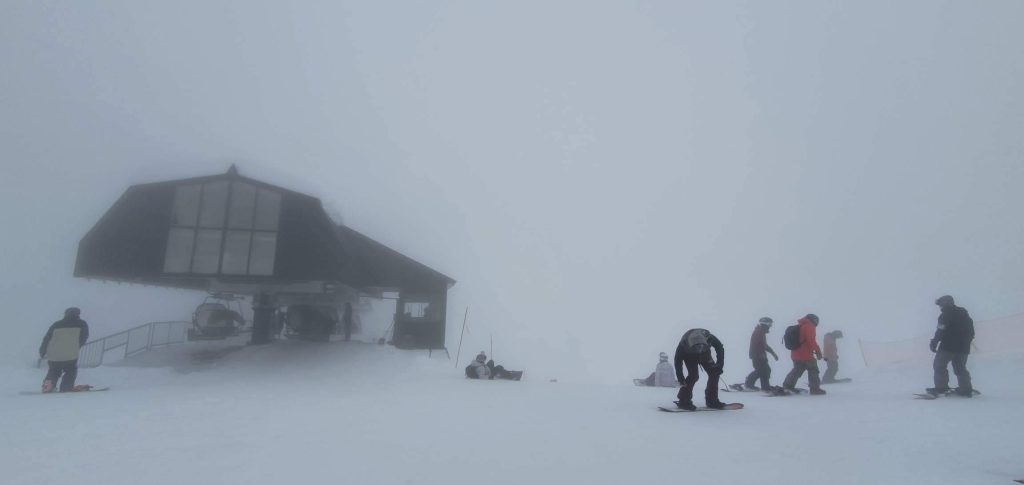
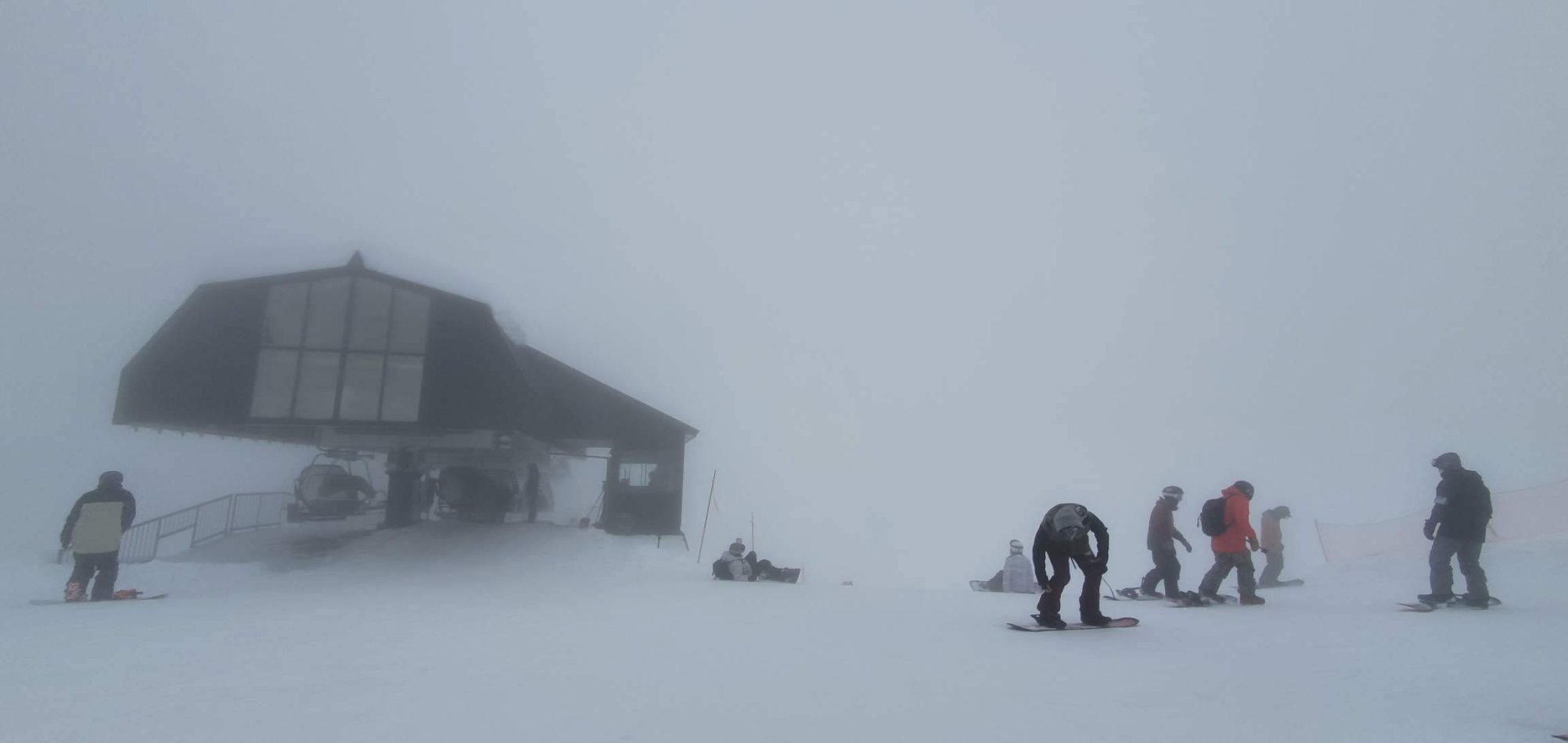
    Ikenotaira ski resort in January. Photo by Anisa Hiromi Khozoei.

    The weekend ski trip became equivalent to hitting the town (convenient, as Jōetsu has no nightclubs). It was the social highpoint of weeks spent beneath snowdrifts, huddled under a heated table, alone for one’s thoughts and a bevy of Netflix offerings. 

    Little grows under a Jōetsu snowfall save a feeling of profound isolation. I felt this gloom creep into me week by week, to spite the excitement of being in Japan. Gogo Salaswat felt something similar. 

    “I was like, oh yeah, seasonal depression. I get it every year,” said Gogo, Arizona native and self-proclaimed “desert rat”, “but I never realized how bad it could get until I lived a different season the way that season is supposed to be lived. I was just like, man, this is it huh, this is how it goes.” 

    It stands to reason that intense winter blues would accompany an intense winter. For me, potent FOMO (fear of missing out) compounded this pestilence. From December through February, I watched a New Zealand summer come and go on my phone. I doggedly sought the kind of fun my friends were having back home, but the ski field, onsen and occasional bouts of drinking never felt like enough. 

    Eventually, I accepted that I was never going to recapture that kind of fun in Japan – the unparalleled highs of being out with old friends, amidst the music you love in the town you grew up in. Those highs were out of reach no matter how long I looked back. Instead, I had to find new highs, and trust home would still be there when I returned. 

    In the meantime I shoveled, sipped a range of soups, drank, and skied to shake my soul free of winter’s bitter grip. In time, the snow thawed. The once-vast carpet of white shrank to dirty mountains by the side of the road, reduced daily by each rainfall and moment of sunshine. No new flakes fell on Joetsu. The city, long buried in a state of near-hibernation, began to stir. Shops that were closed for the winter reopened. The days grew longer and sunnier, and the streets began to swell with passersby. 

    Spring arrived, and I’d almost made it through winter without doing something foolish. Almost. 
  • 12 Months in Tengoku – Part 1

    12 Months in Tengoku – Part 1

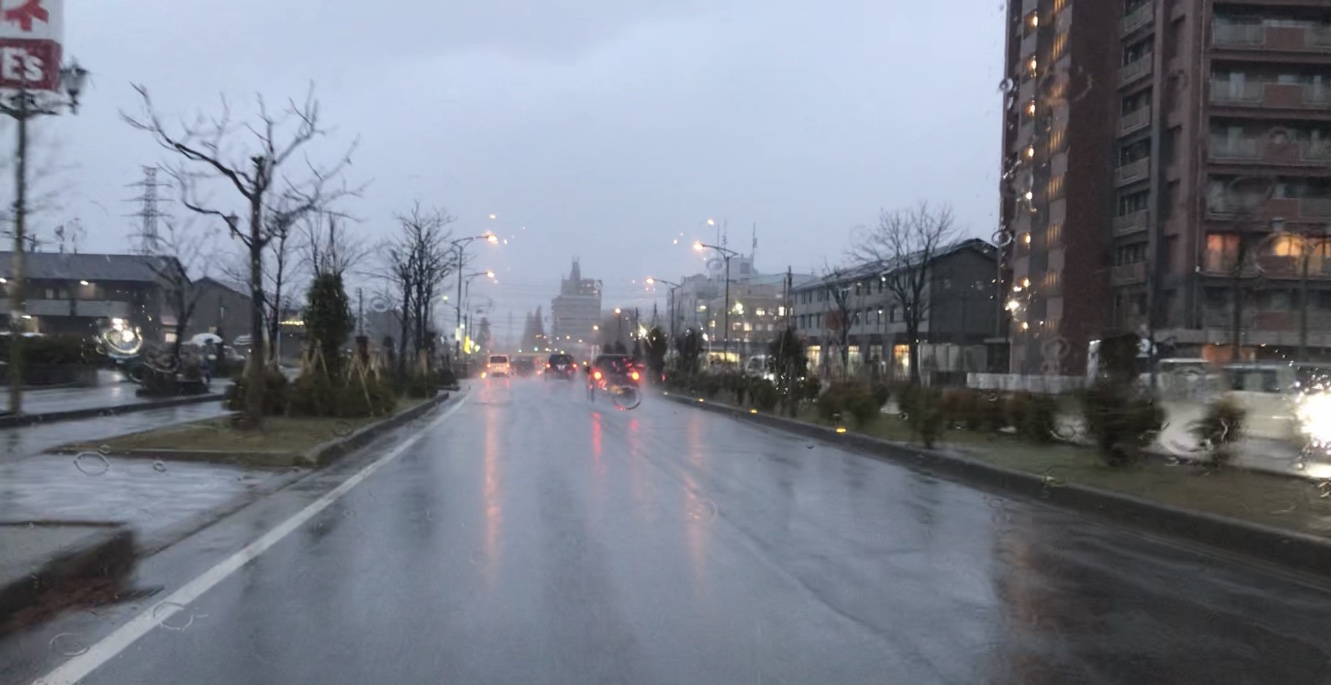
    One year and two weeks ago, I moved to a town on Japan’s west coast named Joetsu. On my third day, a local told me that I’d landed the best placement in the country. I looked out the car window, through the rain at the growling motorway under a sea of sooty clouds, and silently disagreed. 

    Joetsu sprawls along a river valley that empties into the Sea of Japan. The city itself is an amalgamation of several municipalities, among them the once-heaving port of Naoetsu and the moated inland bastion, Takada.


    In 1971, Takada and Naotsu merged, whereupon the authorities created a new cultural and administrative center in the 8km of farmland between the two towns. This became Joetsu’s official center, a dingy array of offices and motorways where I spent my first few days as the city’s newest resident. 

    For many who drive through Joetsu, this is all they see. One such tourist was Australian travel writer Richard Pendavingh, who visited in 2005. He had this to say,

    “Joetsu was a maze of tightly-packed low-rise houses without gardens or street trees interspersed by windswept concrete plazas and big, blocky commercial buildings (…) the atmosphere wasn’t helped by the fact that the streets were empty and the weather was dismal but even on a good day I got the sense that it wouldn’t have been a very pleasant place to live.” 

    Richard only seemed to have been in Joetsu for one day some 17 years ago. After one year of living In Joetsu I can say he is unequivocally wrong about one thing: we do have street trees. 

    Richard, however, was spot on with his illustration of the city center and even more so with his description of how Joetsu’s heinous weather and weatherbeaten buildings make for a grim atmosphere. This was the town I entered back in November, 2021. Then, in December, the snow came. 

  • Yankee dogs go home

    The evening is calm and the sea stretches into the horizon like a great blotchy carpet. Far offshore, red specks of light occasionally flash amid dark, menacing shades of blue. 

    What are those lights? 

    Ah, those buoys? They’re the shark lights. That’s where the sharks live. 

    I shiver, chilled by the thought of bobbing atop the deep blue far offshore. To my seven-year-old self, being a mere three metres out to sea was enough to cause concern. With enough imagination, all water is shark infested.

    The ocean darkens as the sky fades from pastel pink to the cyan of late evening. A sandy path, still hot from the sun, winds between low undergrowth to the beach. I’m certain rattlesnakes lurk under the glossy leaves. A breeze rustles from left to right. Mum and her cousins make cold noises and the leaves shiver in agreement. 

    Have you ever seen a shark, Grandpa? 

    Staring out to sea, mind elsewhere, the old man says he has. He then begins to tell a wholly unrelated story.


    In Lahore, there was an established and well-known Pakistani journalist named Mansur Ali who was an avowed Soviet communist. He was an excellent writer and had considerable influence on a generation of young journalists.

    Early in my tenure, I decided I should call on him, as I had already done among other prominent journalists in the city. I found him to be friendly and charming, and we liked each other. But, of course, there was no possibility of my influencing him. Still, I had dinner several times with him and his equally charming wife. 

    I can’t remember what had happened internationally that brought Mrs Mansur out one day, leading her 80 or so Progressive Women of Pakistan for a noisy march past my building. They bore signs with slogans like YANKEE DOGS GO HOME and shouted similar endearments. 

    As they drew abreast to my office’s gatehouse, I saw Mrs Mansur dart over and hand an envelope to one of our guards. When the parade had passed, the guard brought me the envelope. My heart sank. It was addressed to me, and I expected a screed similar to the slogans she and her friends had carried.

    But instead, the note inside said, “Dear Ray: Mansur and I hope you can join us for dinner tonight.”

    I kept that lovely note for a long time but eventually, in one transfer or another, it was lost.

  • Yusuf and the Red Book

    Yusuf and the Red Book

    Holidays, 2005. My cousins had gone to bed but I nonetheless managed to weasel my way outside. The grown-ups play Canasta. The air is thick with cigarette smoke. Languid bugs flutter around the dirty porch light.

    Sighs. The old man won. Taking advantage of the lull, he begins to tell a story. Despite having heard this same story last summer, the adults lean in. Half listening, I fixate on a moth.

    The story goes something like this.


    One day I was sitting in my office in downtown Lahore, capital of the Punjab Province of Pakistan, when my secretary entered with the business card of someone asking to see me. The card read Capt. Yusuf Jamal, Director, Arab Cultural Center, Lahore.

    Well, I knew there was no such office in Lahore, and I was curious. I asked my secretary to show him in. He was carrying several heavy manila files.

    He spoke only a few words of English, just enough to say,

    “I am a terrorist. I want to sell information to you.” 

    I was pretty sure he was either a con man or a madman, but I did want to see what was in those files. 

    First, we had to find a way to communicate. I used to speak fair Arabic, but it was gone from long disuse. Still, I could understand most of what I heard when spoken slowly. While he had been born in Lahore, he was taken as an infant to Beirut where his parents found work. In Beirut, the first years of school are French medium, and so he had been fluent in French as a child. He could no longer speak it, but he could understand what was said to him.

    We communicated in the two languages. He told me he worked for the Abu Abbas terrorist organization. That was the group who hijacked the Italian cruise ship, Achille Lauro. One of the passengers was a paralyzed Jewish American named Leon Klinghoffer whom the hijackers pushed over the side, in his wheelchair, just for the pleasure of watching him struggle and drown. They were an unusually unpleasant group. 

    Yusuf opened his files and showed me photographs. He said, “Here are the graduates of the most recent terrorist training camp. They are going to safe houses in four European cities to conduct missions this summer.” 

    The documents convinced me that he was telling the truth. I asked Yusuf to return to my office the following day. 

    The CIA office in Lahore had just one officer and his secretary/ communicator. The officer was on leave but the secretary sent a cable to Langley with all the details I had. Within minutes they asked me to assure Yusuf they were interested and would send a team of Arabic specialists to negotiate with him. In the meantime, they asked that I continue our conversation. 

    This was pre-internet and email and cell phones; everybody carried a little address book. Yusuf’s was red. At the end of our last meeting, he took out his little address book and showed me the page with Abu Abbas’s name, with an address and phone in Baghdad. I said, “So you know Abu Abbas well.” He replied, “He is like a father to me.” I asked, “If you feel that way, why are you ready to sell him out?” After a moment’s thought, he said, “Because he is sleeping with my wife!” 

    I never saw Yusuf again, but the following summer the international press was full of the story of more than a dozen terrorists arrested in safe houses in Frankfurt, Paris, Milan and Madrid, where arms and explosives had been found. There was speculation that hundreds of American and European lives had been saved. For the first and last time, I thought adultery was a wonderful thing. 


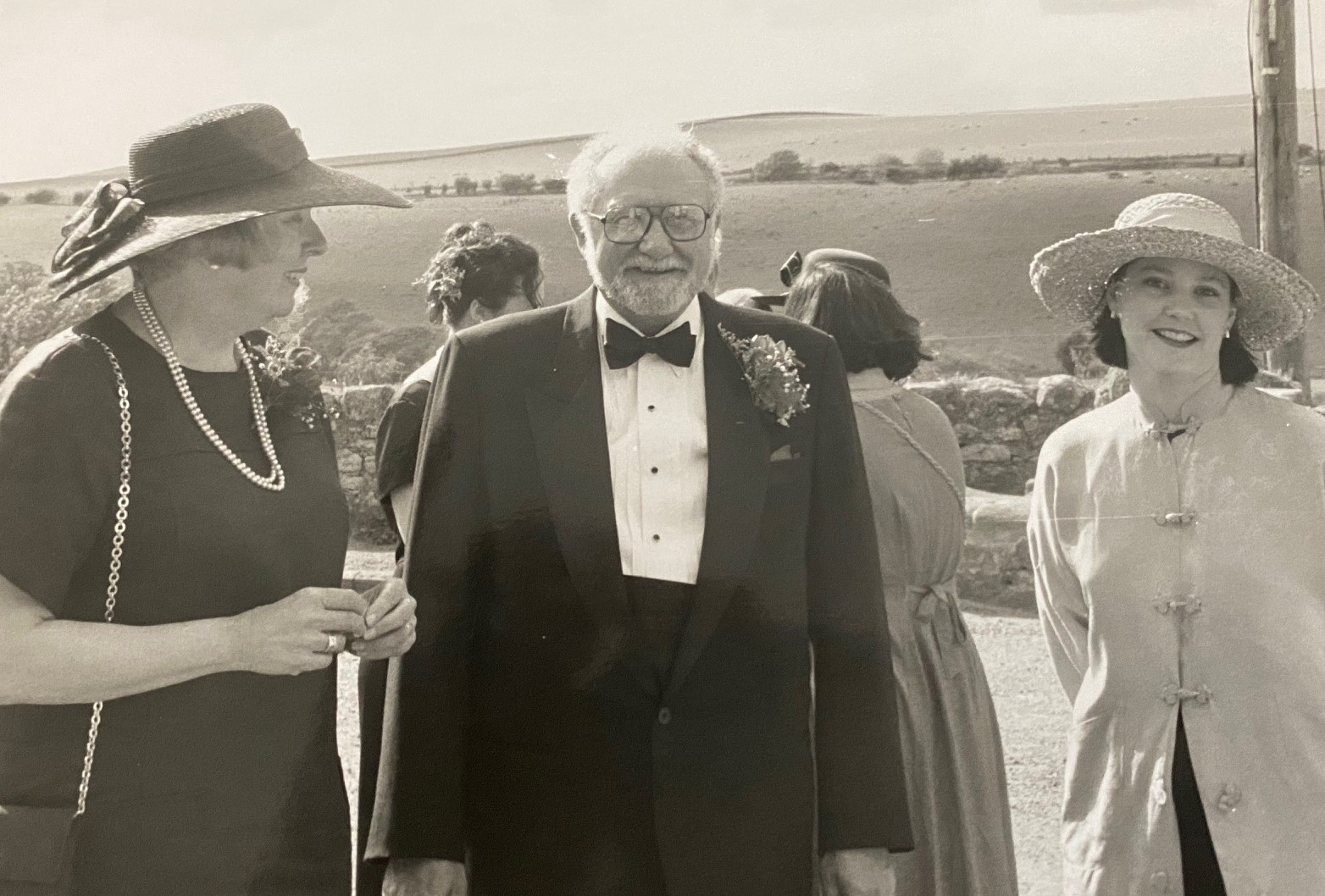
    My maternal Grandfather, Raymond Talmage Peppers, worked for the now-defunct United States Information Agency. During the Cold War, this agency ran the world’s largest public relations operation, equal in budget, manpower and output to 20 of the world’s largest commercial PR firms – combined. 

    The USIA built libraries in Johannesburg, produced telenovelas in Panama, screened Hollywood films in Panang and read Walt Whitman to audiences in Dhaka. For 46 years, on every hour of every day, they exalted the United States and trashed the Soviet Union in 70 languages across 150 countries, all to the tune of $2 billion a year.

    Between 1967 and 1997, Raymond served the USIA in Dhaka, Islamabad, Kabul, Lome, Kuwait City, Lahore and Washington, D.C.

    But, unlike my paternal grandfather, he didn’t fight in World War 2. To my young (ignorant) self, this fact alone was enough to designate Ray the less interesting grandad. 

    Like most kids with relatives overseas, my time with Ray was relegated to family holidays and Christmas-day calls beginning with “turn that off and talk to grandpa.” He died in 2017. 

    Raymond was renowned for telling excellent stories. He took great pleasure in captivating us with tales of Cold War intrigue, comic mistranslations, and descriptions of far off lands aglow with his unceasing love of culture and beauty. Fortunately, he wrote a handful of them down, eight of which I’ll publish here. Each story captures the remarkable world he passed through.  

  • What I’ve learned about Shinto

    What I’ve learned about Shinto

    On the 6852 islands of Japan, there are Kami. 

    Kami are primordial nature spirits. They manifest as the sea, the wind and the rain. They’re creeks, floods, and typhoons that dash Mongol ships against the Kyushu shoreline. They can even take the form of abstract nouns. Mountains make for especially important Kami (see Mount Fuji), but no Kami is more important than the sun.

    Kami can reside within people, too. The emperor of Japan and his descendants are Kami. Sometimes, Kami manifest in culturally significant buildings. My town’s martial arts gymnasium contains a white-panelled section of wall that is a Kami. Practitioners must kneel in reverence to the entity before every session. 

    For the most part, Kami are elements of nature that inspire awe. If a waterfall, tree, or even a particularly aesthetic rock ever gave you pause, then you’ve felt a Kami’s power. 

    Awareness of these beings comes from the primaeval sense that the natural world is both beautiful and terrifying. Accordingly, Kami have two souls: one benign, the other destructive. By appeasing a Kami, one hopes to encourage it’s first soul and avoid the wrath of the latter. 

    Most Kami dwell inside the 100,000 shrines scattered throughout Japan. Hidden from view, Kami receive visitors who pay their respects and make offerings to the spirit, usually in the form of 5 yen coins.

    Acknowledgement of Kami and the veneration of these beings are what constitutes Shinto, something akin to a religious practice.

    The above sentence is just about all scholars can agree on when it comes to defining Shinto. The tradition has many qualities, or lack thereof, that make it hard to classify as a religion. It doesn’t espouse a moral code, nor does it have a founder. Shinto lacks base texts like the Bible or the Koran; there isn’t even a specific doctrine that outlines practices. Preaching and conversion are rare, and the faith isn’t much concerned with the afterlife. 

    Ritual rather than belief lies at the heart of Shinto. In this regard, it’s less a religion and more an inseparable part of Japanese culture.

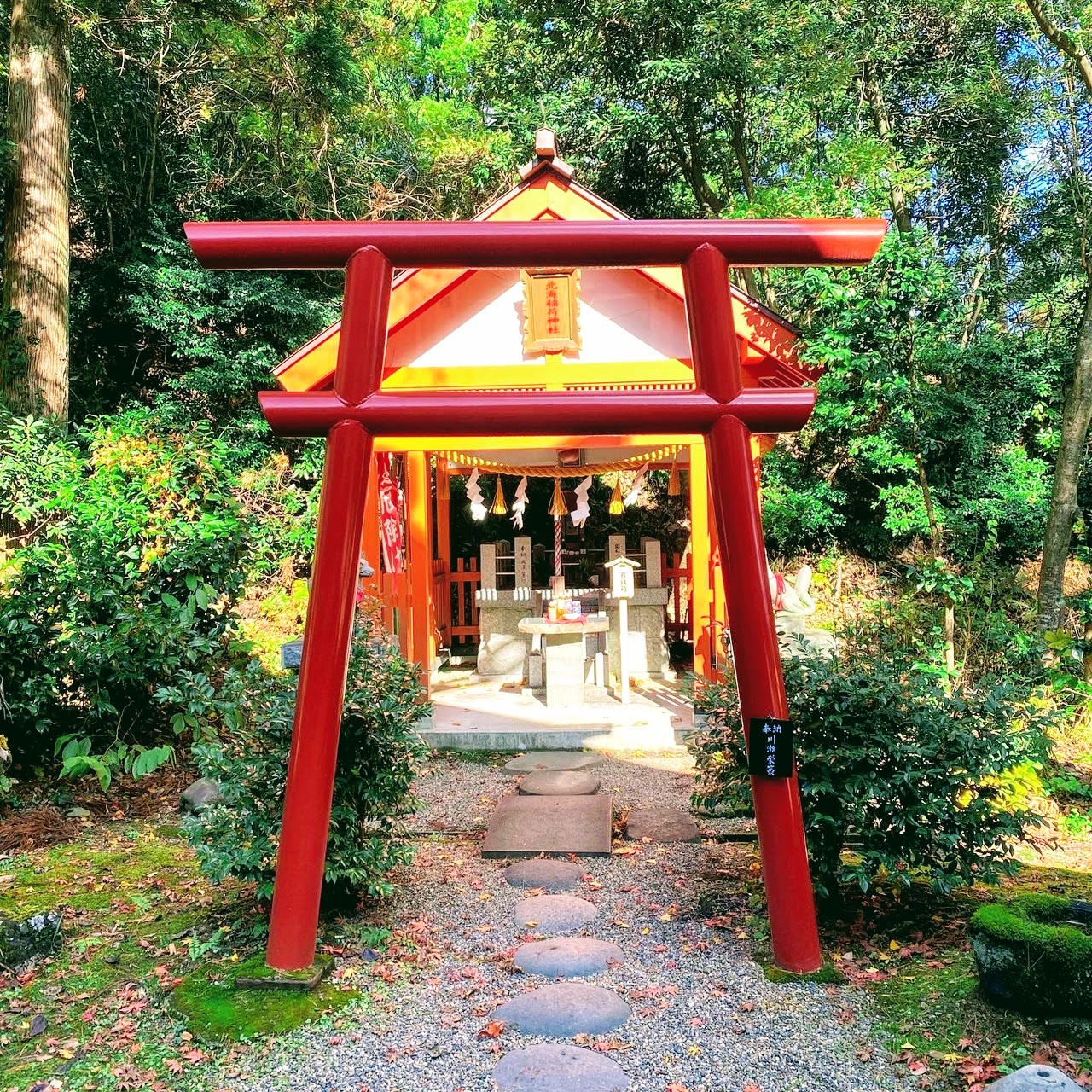
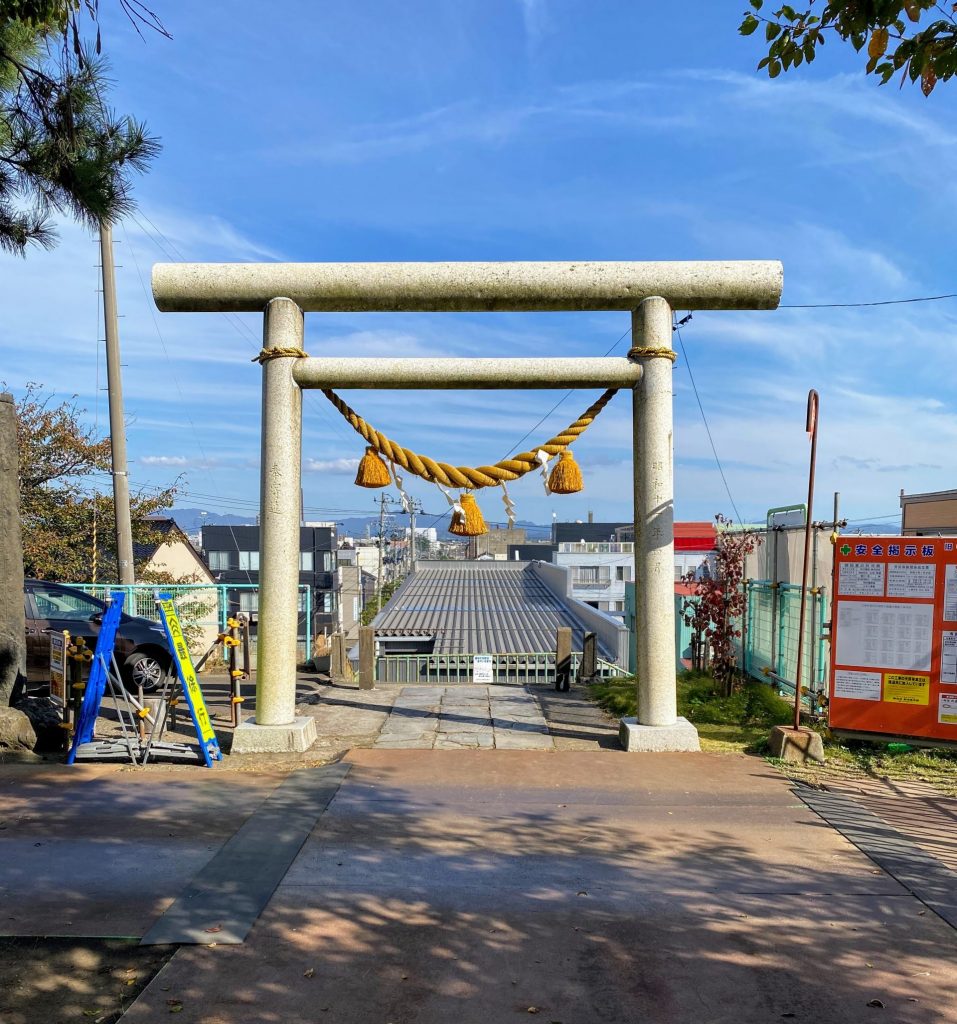
    Torii gates mark the paths to most shrines. It’s important guests bow under each one while taking care not to walk directly down the middle of the path. That route is reserved for spirits. Photo by Jen Roche.

    Many of these rituals take place at Shrines. A Shinto shrine requires a series of steps to ensure one’s visit is done properly. Visitors must first wash their hands and mouths with water from a trough at the entrance. When making an offering, bow twice, clap twice, ring the bell, and bow once more – in that order.

    Japanese who observe rituals like these are unlikely to see them as religious practices, much like how everybody who says “bless you” isn’t a god-fearing Catholic. Rather, to many, going through the motions of visiting a local shrine is simply an aspect of daily life.

    An estimated 96 million Japanese regularly engage in Shinto rituals. Yet, two decades ago, when Pew surveyors asked Japanese whether religion was important, 75% answered no. That Japan should be home to the most devout, irreligious people on earth is just another incongruity in a land of mystifying incongruities.

    Most neighbourhoods contain at least one shrine. Residents often visit their local shrines to ask for favours like good outcomes in surgery and schoolwork. Photo by Jen Roche.

    As mentioned, Shinto is notably light on philosophy. Yet, what it does emphasise is a belief in universal impermanence. There’s a reason why Japan’s national symbol is the cherry blossom – a flower that blooms and disappears within the space of a week.   

    One seeking further examples of this philosophy can look no further than Ise Jingu – the holiest site in Shinto. Ise Jingu is so sacred that punters like me can only gaze upon the fence surrounding the main building. No one knows for certain how old the site is. It was already an ancient place of worship when the first histories of Japan were written, some 2,000 years ago. 

    Yet, despite this level of prehistoric sanctity, the main buildings are dismantled and rebuilt with new materials every 20 years. The western equivalent would be tearing down the Sistine Chapel, scorching the rubble, and building it anew every two decades. Unthinkable. 

    Shinto’s philosophy of impermanence could well be the product of a nation routinely humbled by nature’s power. This is, after all, the most seismically active country on earth. A mediaeval European might well baulk at how frequently Japan’s wooden castles catch fire, but I’d like to see Mont Saint Michel stand up to the 5,000 earthquakes that rattle these islands each year. 

    That life is short and everything dies are truisms that permeate Shinto and therefore Japanese culture as a whole. This is Mono no aware, meaning “sensitivity to transience” – the idea that true beauty is fleeting and that good people accept how everything they love will one day disappear. Heartwarming stuff. 

    Yet, Shinto is far from a pessimistic tradition. For one, that a Kami could wash one’s life away in a tsunami on any given day tells us to savour the good stuff. In our brief pre-tsunami window, we should accept change and seek to live well in the face of new challenges. Moreover, Shinto says it might also be a good idea to acknowledge and respect the immortal supremacy of nature. In doing so we might, just maybe, avert disaster. 

  • Tuna Mayo

    Tuna Mayo

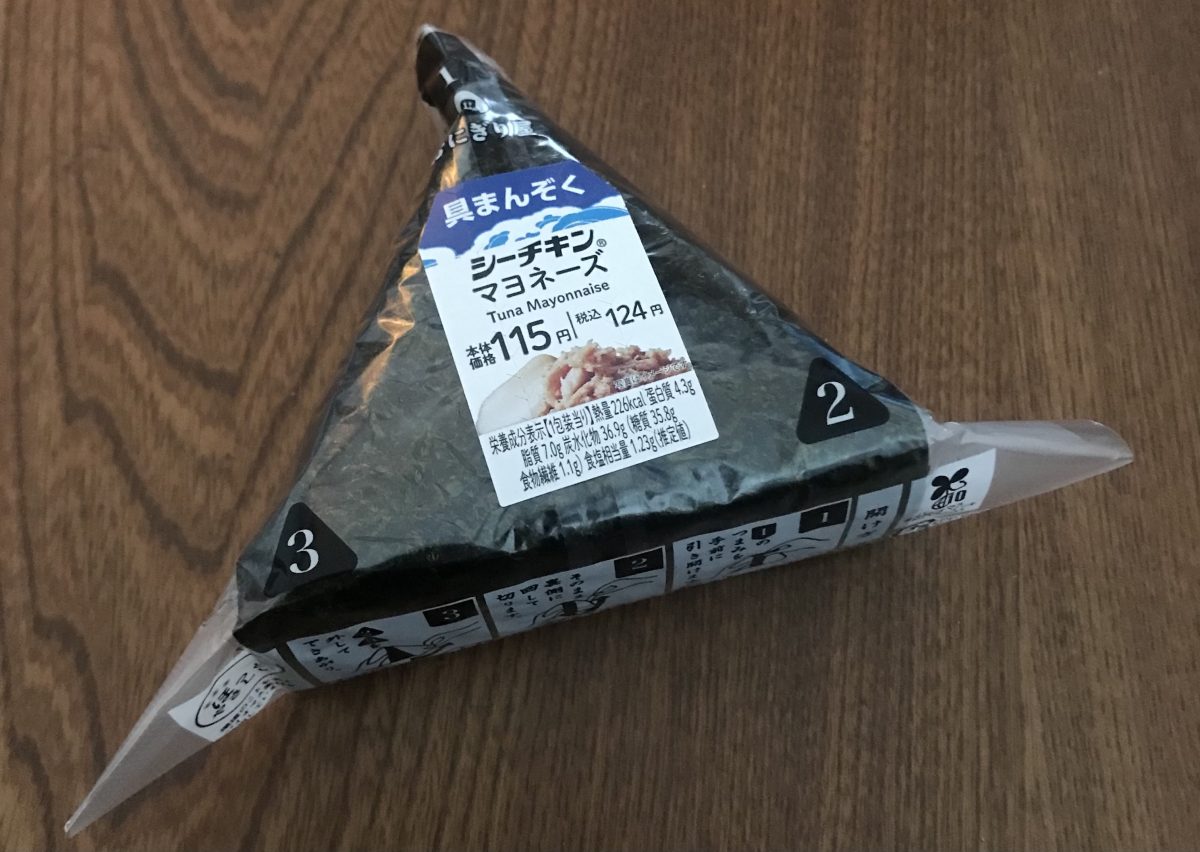
    With iffy flavours like pickled plum, mustard seeds, and fish eggs – tuna mayonnaise is a calming medium by being, in true onigiri fashion, deliciously bland. 

    Tuna mayo embodies all the best qualities of onigiri: understated, predictable, and moreish. When I ask people their favourite rice ball flavour, the answer is often tuna mayo. 

    Mayo is a key ingredient. Japanese mayo is a tier above its western counterpart. This is because, while western mayonnaise incorporates whole eggs, the Japanese variety only uses yolks of a particular yellow. 

    Combined with rice vinegar, the result is a creamy sauce akin to custard; fatty, sweet, rich, and acidic. The chief brand even has an adorable name, kewpie. The logo is a naked red angel baby doing the YMCA, and the nozzle is cut like a star so that the sauce squirts out in a funny shape. Cute, bizarre, novel, and delicious. Japanese mayonnaise.

    Yet, like a surprising number of popular Japanese foods, Japanese mayonnaise isn’t very Japanese in origin. 

    It began just over 100 years ago when a political upheaval opened the proverbial floodgates between Japan and the west. This period is called the Meiji Restoration and marks the nation’s transition from Samurai warriors and ritual suicide to Hello Kitty and the highest life expectancy on earth. Large sections of Japanese society embraced western clothing, ideas, technology and food. It was during this time that mayonnaise, the whitest food of all, entered Japan. 

    So began a legacy of abuse. Noodles, pancakes, fried chicken, octopus balls, melon – few foods escape mayo. There’s even a Japanese word for a mayonnaise-obsessed individual, Mayora. This comes from merging the word mayo with the suffix “er” (as in “fighter” and “driver”) essentially creating the label “mayonaiser”. 

    Overall, the mayonnaise that completes a Tuna Mayo onigiri is special not just because it’s delicious, nor because it is everywhere, but because it represents one of Japan’s most remarkable qualities. 

    Few countries do cultural fusion like Japan. This land has a long history of adopting foreign concepts so zealously that one could be forgiven for thinking these things weren’t Japanese to begin with. Food is a key example, although others range from video games to toys to world religions. Mayonaise, ramen, tempura, even the very custom of eating meat – these pillars of Japanese cuisine are imports that arrived during the Meiji Restoration. 

    Tuna mayo embodies all the best qualities of onigiri; it also embodies some of the best qualities of Japan. In a long-winded sort of way, you can see this when you peel back the nori. Hell, you can taste it too. It’s very good.  

  • Rice balls

    Rice balls

    Onigiri are a Japanese food made from white rice (sometimes salted, most often plain) formed into cylindrical or triangular shapes and wrapped in nori (seaweed). Within this package is a filling: ume (pickled plum), salmon, cod, tuna mayo, bonito flakes…the list goes on.

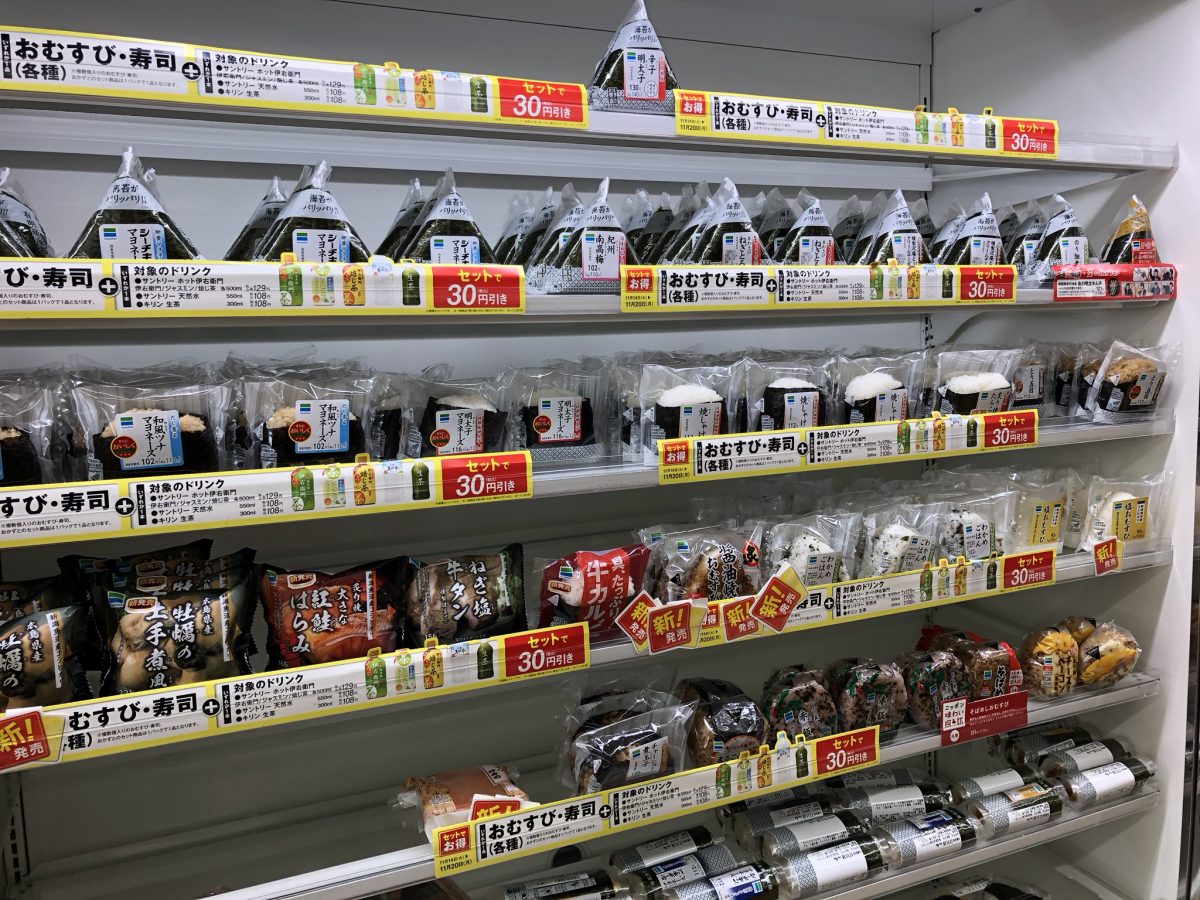
    You can see onigiri arranged in a refrigerated cabinet adjacent to the checkout counter at convenience stores, gas stations and supermarkets. This pride of place reflects their popularity. They’re Japan’s equal to the ham sandwich, a trustworthy and versatile staple that is cheap, predictable, and easy to consume. 

    Onigiri are, to put it simply, delicious. 

    My first real taste of Japan was an onigiri bought in the lobby of the Hotel Nikko. It was day one of a fourteen-day quarantine and I had to arrange my dinner. I bought the cod roe flavour, certain that I liked cod but unsure about the concept of “roe”. 

    Nori grows soggy and unpalatable when applied to rice for an extended period. So, onigiri are ingeniously wrapped in a way that separates the two by weaving the plastic packaging between rice and seaweed. When one pulls at both ends, the barrier slips away and nori embraces rice. 

    Back at the Nikko Plaza, my inexperienced self made a mess of this first onigiri. The brittle nori broke into pieces as my barbarian hands tore at the packaging. Nori flakes at my feet, I bit into the rice ball and tasted Japan for the first time. 

    Onigiri are one of the many irreplaceable components of the Japanese engine. Manufactured for greatest convenience, It’s a faux pax to eat food while walking here, but onigiri are one of the few exceptions. The densely packed rice is filling – I’m reminded of lembas bread, the Tolkein invention that fills the stomach of a grown man after one bite. 

    They’re simple, even bland, but it’s this very banality that makes them special. Like so much Japanese food, onigiri proves that a dish doesn’t need to sock you in the mouth with spice or flavour to be delicious. I feel like this is one of the many incongruities I’ll never understand about Japan. 

    At the time of writing, I’ve been here for two bags of rice, two tubes of toothpaste, four razors, one canister of shaving foam and twenty-two onigiri. I could spend a lifetime studying this country and still die ignorant of most of it. I could live here for decades and still be a visitor. These thoughts are equal parts enticing and isolating. 

    Living here is sometimes like being in an aquarium and I can never really tell which side of the glass I’m on. I can press my nose against the pane and observe all I want, but try as I might, I’ll never be able to cross over. I am both the ogler and ogled, separated from a world (that stares back with the same confused intensity) by some invisible barrier that I can’t name. 

    Perhaps that barrier is language. My Japanese is not, as the locals would say, jouzu. Although, I feel as though it’s more than that. For now, I take comfort in the fact that coming here has led me to onigiri. In the face of disorientation and an occasional twinge of homesickness, the presence of good snacks must mean I’m on the right track.

  • Yo Vocal Magazine – Book Review: The Catcher in the Rye

    Written by J.D. Salinger – Published in 1951 – 192 Pages

    Mrs. MacDonald was a swell teacher, she really was. Usually, when teachers put on like they’re your friend they turn on a dime and flunk you because you didn’t write some crummy composition for them. But this Mrs. MacDonald was alright though because she wasn’t a phony at all. You still felt like you could give her a buzz after class and chew the rag about Hitchcock or Heaney or whatever and she wouldn’t get on your damn case about some composition you didn’t hand in. 

    Anyway, where I want to start telling is when I was given this lousy book in MacDonald’s class. It’s by this old American named J.D. Salinger. He was in some terrific battles in World War II and saw heavy fighting which I thought was exciting as hell. I figured this book would have loads of action but it’s instead about this mopey kid who wanders around New York for a couple of days after he’s kicked out of prep school. There are no tanks and no one even gets shot. God, it killed me. 

    My flatmate read the book before I did. I didn’t actually read it in high school and flunked the essay but I still have the book and it’s lousy with stamps that say “Property of Cashmere H.S. English Department – Please Return” which gives me a real buzz. 

    Anyway, my flatmate reads this goddamn book and tells me that it’s alright so I pick it up to see if it’s as sexy as he says it is and all I get is this mopey kid. No guns or anything close to World War II. I mean Jesus Christ. 

    This guy, Holden Caulfied, is a helluva basket case. He mopes around New York in 1946 with his pockets overflowing with dough. He pays for rounds of drinks in vomity hotel bars for people he hates. He pays a prostitute to just talk to him and gets squirmy when she takes off her dress. You wouldn’t believe it. A goddamn basket case. 

    So what kills me is that even though you’re with this kid for 192 crummy pages you’re not really in his head. The prince guards his soul like it held the original eleven herbs and spices, I’m not kidding. 

    Caulfield constantly uses the passive voice. It kills me. Mrs. MacDonald would always get on me about this. She says it creates distance between text and reader but Salinger uses it loads and he’s supposed to be one of the best writers of all time or something. Then he says ‘sort of’ like a sonofabitch – 179 times, I counted. Talk about insincere. 

    Anyway, this kid is blue as hell about the ducks in central park and goes on about where they go in winter to every broad and cab driver he meets. 8 goddamn pages about these ducks, you’d think they cured cancer. 

    Turns out, Caulfield’s kid brother died of Leukemia and he bloodied his fist by breaking all these windows because he was so damn sore about it. He sort of blows it off in the first few pages. He tells you about his kid brother and how he wrote all these poems in green pen on a baseball mitt before saying, “he’s dead now.” That’s it. 8 pages about goddamn ducks and that’s it. That killed me, it really did. If you spent 3 days in my head after my kid brother had died of leukemia last fall you’d hear a helluva lot more about it. 

    After a while, I got the feeling this guy was yellow as hell. It reminded me that he’s just a kid scared of all these inevitabilities: adulthood; responsibility; accepting his brother’s gone. Most of all, old Caulfield’s afraid of time. He goes on about how he loves the Natural History Museum because everything there stays where it is. He could go a hundred thousand times and nobody’d move. This is the only time before the novel’s end where I saw his heart get even remotely close to his sleeve. 

    See, Caulfield sees time as this straight line that leads towards all those inevitabilities that I told you about. They’re waiting for him like a pack of hungry lions and he wants to make sure nothing changes so they don’t eat him for lunch. Anyway, this kid’s swimming against an unstoppable tide and spending all his dough and sure enough he begins to drown. That’s where things get sort of depressing. 

    I’ve given this book a helluva lot of grief but you should really read it. You’ve probably been made to read it in High School already but you should pick it up again. Books lose their magic when you have to read them for some lousy module. 

    One thing that’s so sexy about this story, aside from the writing which is sexy as hell, is even though Caulfield lives in a world that’s long been dead, he talks about feelings I recognize but haven’t yet been able to articulate. He goes green when he thinks of time as this line towards painful inevitabilities and to tell you the truth that always makes me squirm too. 

    At the end of the book, he sees this little kid on a carousel and starts to get better. He realises that there’s no point in rebelling against the tide. He sort of decides to live humbly for a cause and begins to feel alright about things and then I’m reading this and I start feeling alright about things. It was nice, sort of. 

    Anyway, God this Caulfield is full of angst. Despite being loaded and all he can’t afford the one thing he needs because Prozac won’t be invented until 1972. The list of things this kid hates is stupid long – the movies, school, phonies, guys that think they’re being a pansy if they don’t break around forty of your fingers in a handshake. That killed me, it really did. He also hates vests and abrupt endings. 

    Favourite Lines 

    “I don’t exactly know what I mean by that, but I mean it.”

    “I am always saying “Glad to’ve met you” to somebody I’m not at all glad I met. If you want to stay alive, you have to say that stuff, though.”

  • CANTA Magazine – Doof Church

    CANTA Magazine – Doof Church

    To many, the Saturday gig is church.
    It’s a CBD bar at roughly ten pm. A community gathers, each member guided by common purpose. Hands grasp. Vapes pulled. Word on the street is that tonight’s act is going to be huge.

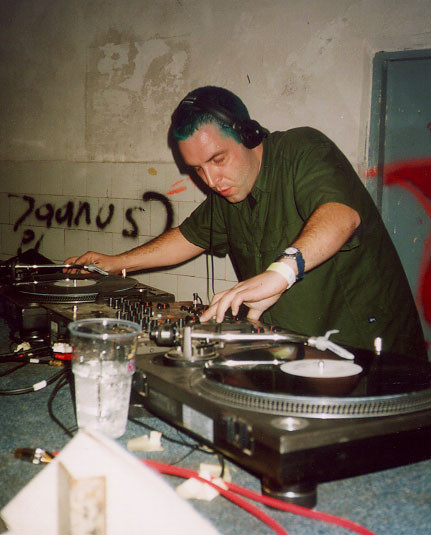
    A heavy bassline reverberates from a set of monolithic speakers. They flank headphones nestled amid dreadlocks. A figure surveys what looks to be the controls to a rocket ship – they aren’t, they’re mixing decks, but he’ll nevertheless send his passengers to space.

    Outside, in the alleyway, a psych major makes half a cigarette disappear in one pull before his mates’ bewildered eyes. It’s a double-bill demonstration of vitality and sheer will. Soon after, they head inside. The gig’s about to begin.

    Each devotee stands shoulder to shoulder before their pastor. They face forward, atop a peak of euphoria, hands raised to heaven. The scene mirrors a similar gig the week prior, and the weekend before that. It’s a sight reminiscent of Sunday service, although with more E-cigarettes.

    Drum and bass’s connotations with organised faith are many. It’s spawned an avid, mobile collection of converts that gather weekly. Each initiate seems as devoted as the last, showcasing their membership to the convent through online posting, branded clothing, and tattoos. Gareth Heta, radio DJ, music writer, and self-described drum and bass nerd, has described it like this: a community.

    Community, let alone culture, is something Christchurch residents are desperate to bring back to their central city. Over the past twenty years, the provincial town has been the scene of two out of four national tragedies. Naturally, many are eager for Ōtautahi to be the epicenter of something else for a change.

    Christchurch is informally hailed as having the highest per capita drum and bass (known colloquially as DnB) listenership in the world. When I told Gareth Heta this somewhat unbelievable statistic, he nodded his head. “That sounds about right,” he tells me.

    Right now, according to Heta, DnB is experiencing a massive resurgence in popularity, fueled by a young and devoted crowd of students.

    DnB has flowered from a long evolutionary tree, the roots of which draw from hip-hop, raga, and dub. As a genre, it’s difficult to trace, a difficulty is partly due to mixing – the process of combining two songs to make a third, unique track. To Heta, the technological aspect has
    bestowed upon DJ’s the capacity to innovate and experiment in ways few other artists can.

    This notion is demonstrated by DnB’s diversity. From the raucous heavy drops of jump-up to the warm, analog tones of liquid; each sub-genre denotes a wildly different sound and scene.

    “Drum and bass popularity comes in waves,” says Heta, explaining to me that the previous wave crested with artists like Pendulum and Ed Rush. He continues on a whistle-stop tour of the genre’s history, explaining that this first wave ended as a result of artists becoming more popular and losing their unique sound. “In shifting towards the mainstream, they abandoned the filth and lost that underground vibe that I think people just relate to.”

    Set to a rolling pace of 160-180 beats per minute, the genre’s aggressive, ominous tones construct notable barriers to entry for the uninitiated. If DnB were a religion, then the “filth” Heta mentions would be its first commandment. It’s an underground, grimy, bassface-inducing sound that separates most DnB from mainstream electronica. In short, DnB is a fast-paced genre that goes hard. To Heta, it’s electronica’s answer to heavy-metal.

    Like heavy-metal, DnB tends to attract blue-collar crowds. This tendancy could reveal why Christchurch, of all cities, is New Zealand’s unnoficial DnB capital. Since large portions of the city were flattened in it’s infamous 2011 earthquake, Christchurch’s construction industry bloomed, attracting tradespeople from all over the country.

    “Tradies love a bit of DnB ” says Christie Kimble. Christie, Jamie Moir, and Ashleigh Rangi are co-founders of Sub180 entertainment, a local DnB promoter. All three have been organising music events in Christchurch since the age of 15. They know their way around the scene like few others my age.

    Big drops and foghorns aside, drum and bass isn’t entirely devoid of warmth. By adding more vocals and adopting a distinctly analog sound, liquid DnB emerged as an answer to the grime. Artists like DJ Fresh pioneered this sound and soon found a temporary home on the charts. Today, artists like Hybrid Minds carry the torch.

    In many ways, liquid brought the genre out of the basement and into the sun. It’s whittled down the initial barriers to entry that put off those averse to dirty drops, foghorns, and big wops.

    Nevertheless, it’s DnB’s inherently grimy sound and scene that has led to the development of stereotypes.

    Like all labels, these consist of an awkward mix of fact and fiction. Tom Prayoonyuang, a founding member of the Christchurch-based DnB duo Catch 22, argues this: “the biggest misconception about DnB is that everyone just gets on the gear.” “I think it’s easy to slap that druggy stereotype on young people going to gigs” adds Ashleigh. “If you look at every professional industry there are people doing drugs. That gearhead stereotype ends up tainting our culture and I don’t think it’s entirely fair.”

    Ashleigh has a point. Recreational drug use isn’t exclusive to DnB enthusiasts. “Just look at Woodstock or Pink Floyd,” says Jamie, “I think there’s definitely a correlation, but that doesn’t necessarily mean there’s causation.”

    Nevertheless, the sordid marriage between substances like MDMA and music like EDM is well known. In the latter half of the 20th century, the mainstream appeal of both developed simultaneously. Does ecstasy make music better? Or does music make ecstasy better? Maybe both, it’s hard to tell. EDM’s open, community-centric ethos could be the result of a younger crowd that holds tolerance in higher esteem than generations prior. Or, it could result from the effects of MDMA, which makes one more social, intimate, and accepting.

    Dr. Rick Doblin, the founder of the Multidisciplinary Association of Psychedelic Studies, noted in 2013 that it’s hard to determine what functions within the EDM scene are served by substances or by the pulsing beat, lights, and crowd. Ultimately, he describes the communal dance party as a spiritual experience with a blurred line separating the euphoria-inducing chemicals produced naturally by the brain and those sold by the gram.

    It’s here, again, that the unlikely crossover between faith and DnB re-emerges. To Doblin, ecstasy-fueled EDM and religion serve the same two psychological purposes. They’re rituals that connect us to others, and they enable us to experience a heightened consciousness. Both qualities are present at the Saturday gig, neither appear inherently negative.

    Nevertheless, both Gareth Heta and Rene Bell, owner of the popular gig-hosting venue ‘The Slate Room,’ agree that there are dangers posed by substances. This is particularly true when their usage mixes with a distinctly kiwi binge culture that prioritises “going hard” on a night out. In many ways, the electrifying pace provided by DnB fuels this impulse, thus creating a positive feedback loop of chemicals and music.

    To Rene, this cocktail is enough to set business owners, such as those of the now-closed Winnie Bagoes nightclub/pizzeria, on edge. “I don’t think drugs will ever go away,” says Heta, stressing the need for more education surrounding drug safety. “Kids will always do what they want and at some point, we’re powerless to stop them. All we can do is hope we can help them get through it without too many casualties.”

    Ultimately, drum and bass is a diverse genre with a complicated relationship with the mainstream.

    Yet, at the turn of the century, Chicago bandstands were the first public places to be desegregated by custom. Fifty years later in Nashville, Elvis Presley’s hips threatened a nation’s moral fabric. Perhaps DnB in Christchurch, of all places, is the latest incarnation of boundary-pushing music that challenges the status quo? The only real way to find out for sure is this:

    Go to a gig and see for yourself

  • CANTA Magazine – Smackdown 2020

    CANTA Magazine – Smackdown 2020

    According to recent headlines, the earth could be struck by an asteroid on November 2nd, 2020. To many, this event will provide a welcome excuse to avoid having to live through November 3rd. See, November 3rd is election day in the United States. It will mark the end of a contest that began the moment the last one shuddered to a close four very long years ago.

    US politics and the upcoming election are worth paying attention to. As the world’s sole superpower, the United States holds sway over the affairs of almost every country on earth, including our own. It’s disconcerting, then, that something so crucial to our collective wellbeing is also bonkers. 

    How can one make sense of our trans-Pacific cousins? What can happen on November 3rd? 

    The answers to all these questions and more lie in a realm where distinctly American theatricality and madness are tools of the trade. The answers can be found, I would argue, in WWE. 

    Pro-wrestling and politics share many similarities. Today, on a base level, they’re essentially the same business; nowhere is this more apparent than in the presidency of Donald J. Trump. 

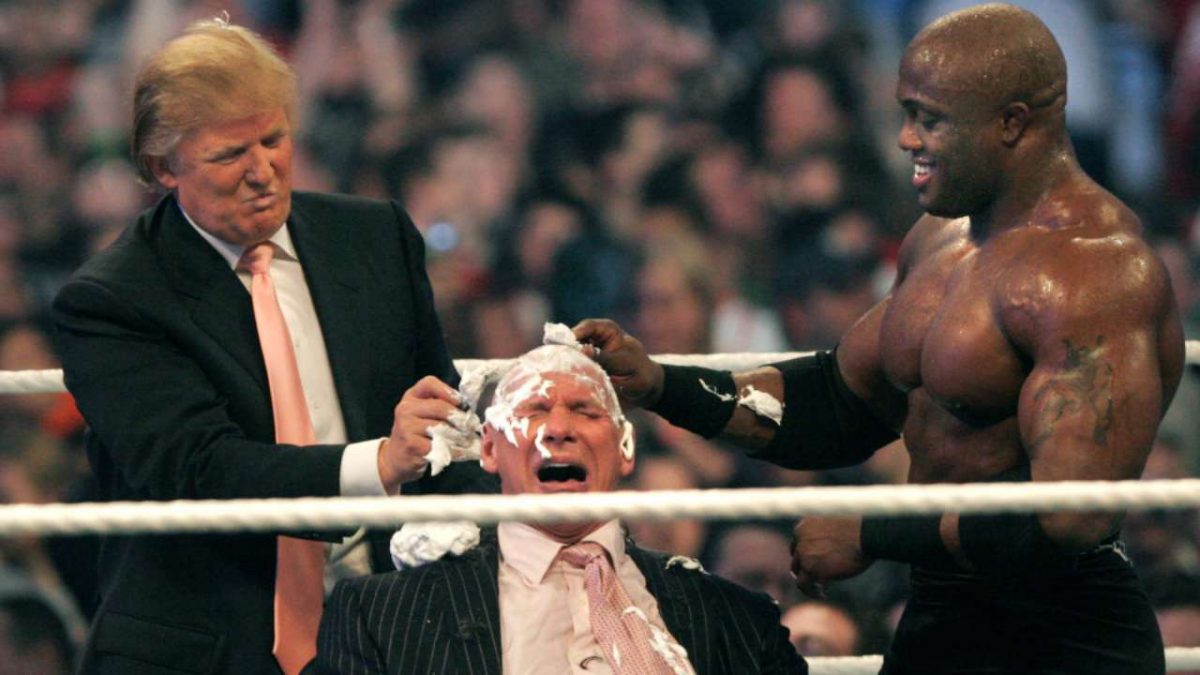
    Trump is a WWE hall-of-famer and to-date the only world leader to have been kicked in the stomach by Stone Cold Steve Austin. He’s been involved in pro-wrestling for decades. In 1988, he hosted Wrestlemania IV and V in Trump Plaza. In 2007, he faced off against WWE CEO Vince McMahon in ‘The Battle of the Billionaires.’ 

    Yet, despite their theatrical beef, McMahon and Trump are close. Eerily, their career trajectories sync. Both rose to prominence in the 1980’s, both built upon their business success with forays into the world of reality TV, they even have the same catchphrase (“you’re fired!”). Most importantly, however, McMahon and Trump owe their success to a mastery of character work – a longstanding staple of pro-wrestling.

    Wrestlers adopt personas that are, to use the industry terminology, either ‘faces’ or ‘heels’ – AKA, good-guys or bad-guys. Traditionally, a heel’s role in wrestling storylines is to antagonize the crowd. The face would then arrive and assault the heel, bringing the storyline to a cathartic if predictable end. 

    This dynamic would imply being a heel is detrimental to one’s pro-wrestling career. Far from it. Some of the most loved wrestlers of all time – Ric Flair, Hulk Hogan, Steve Austin – played heels. See, heels thrive because shocking behaviour makes for good TV. Their villainous persona gives them a lot more flexibility with what they can do or say, there’s a facet of human nature that respects that – as Donald knows all too well. 

    Consider now the pro wrestling character that is Donald J. Trump. He’s brash, boorish, rude, and rich – a typical ‘heel.’ Yet, like every other heel from McMahon to Steve Austin, it’s these very qualities that electrify his audience. Trump also creates characters out of his opponents: “Crooked Hillary”, “Sleepy Joe” and “Lyin’ Ted Cruz” to name a few. His supporters applaud when he antagonizes these personas – much in the same way audiences applauded when Stone Cold Steve Austin filled Mr McMahon’s corvette with cement at Wrestlemania 19. 

    Wrestling is less a display of strength and skill as it is of one’s ability to enchant audiences by working the mic. Hulk Hogan’s signature move was dropping his leg across his opponent’s chest. As wrestling moves go this isn’t too impressive, but few remember Hogan for his athleticism. Rather, audiences remember the vignettes that precede Hulk’s matches wherein he’d refer to his biceps as “12-inch pythons” and state, at length and in no uncertain terms, the nasty things he’d do to his opponent in the ring. 

    Donald Trump also excels at mic work. He recognises that in politics, as with wrestling, competence comes second to bluster. It doesn’t matter how many real-world blunders he makes, so long as he can talk himself up and put his opponents down, audiences will stick by him. 

    For two decades, 24-hour news cycles and the emergence of social media have reduced complex political issues to simple slogans. Multi-faceted topics surrounding race, history, and geopolitics are stripped down to fit snugly within a tweet, Instagram story, or half-hour cable news slot. The result? A feedback loop of never-ending feuds characterised by fierce rivalry, mud-slinging, and a fundamental lack of understanding or empathy between parties. In this media environment, character work and simple storytelling thrive. 

    Donald Trump didn’t construct the political climate that makes his presidency possible. His decades of involvement with WWE merely allowed him to recognise elements of pro-wrestling within political discourse and play them to his advantage. 

    All Trump did was tear away the veneer of sophistication covering what was otherwise a slugfest not far removed from the feuds settled by pay-per-view cage matches. This is how he ripped apart the competition during the Republican primaries. Why watch Ted Cruz try to act the macho pro-wrestler? With Donald, you have the real thing. 

    Pro-wrestling is simple, that’s the heart of its appeal. It provides catharsis; feuding parties gear up for a fight, have it out in the ring, the loser is faux-pummelled into submission, and everyone goes home satisfied. This won’t be the case on November 3rd, and that’s where this WWE comparison ends. 

    The pro-wrestlification™ of politics in the United States is damaging to discourse because it frames issues with a good/bad dichotomy that isn’t really there. The truth, as always, resists simplicity. Nevertheless, I’ll bet good money a wrestler is elected president within the next 10 years. 

    God, I hope it’s The Rock.